












Content Types

Common used widgets and combinations

Lorem ipsum dolor sit amet, consectetur adipiscing elit, sed do eiusmod tempor incididunt ut labore et dolore magna aliqua. Ut enim ad minim veniam, quis nostrud exercitation ullamco laboris nisi ut aliquip ex ea commodo consequat. Duis aute irure dolor in reprehenderit in voluptate velit esse cillum dolore eu fugiat nulla pariatur. Excepteur sint occaecat cupidatat non proident, sunt in culpa qui officia deserunt mollit anim id est laborum.


Hero and Header

Lorem ipsum dolor sit amet, consectetur adipiscing elit, sed do eiusmod tempor incididunt ut labore et dolore magna aliqua. Ut enim ad minim veniam, quis nostrud exercitation ullamco laboris nisi ut aliquip ex ea commodo consequat. Duis aute irure dolor in reprehenderit in voluptate velit esse cillum dolore eu fugiat nulla pariatur. Excepteur sint occaecat cupidatat non proident, sunt in culpa qui officia deserunt mollit anim id est laborum.


Original Hero Card Template


Widget Template: Card
Card Template: Card.hero
Image size requirement: 960x420px
File size: 100KB or less

Ready for the Workday®


Full Width Hero Card Template


Widget Template: Card
Card Template: Card.hero.wide no color
Image size requirement: 1920x420px
File size: 100KB or less

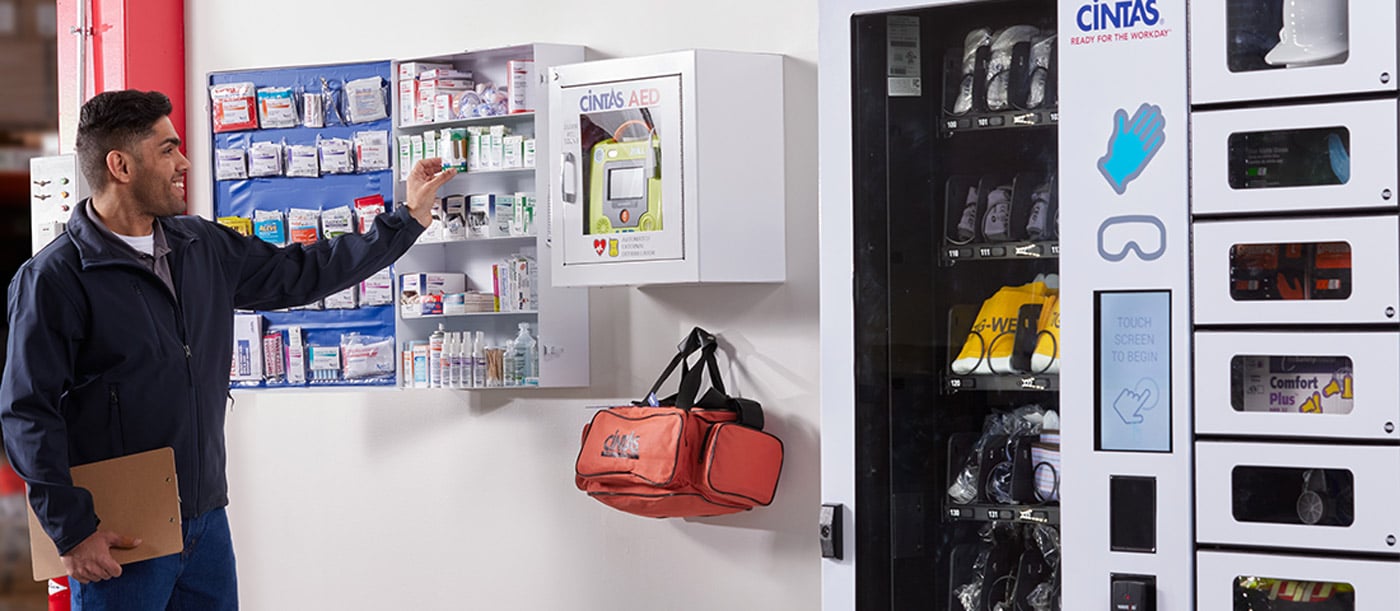
GET RESCUE READY WITH AEDs AND CPR TRAINING

When a person’s heart stops, every second counts. Make sure your team has the tools they need to help save a life with well-maintained AEDs and CPR training from Cintas.


Slideshow

Widgets: Slideshows
Widget Template: Slideshow
Image size requirements: 960x420px
File size:
100KB or less
Content Options:

- Title
- Description
- CTA Button
- Feature Image

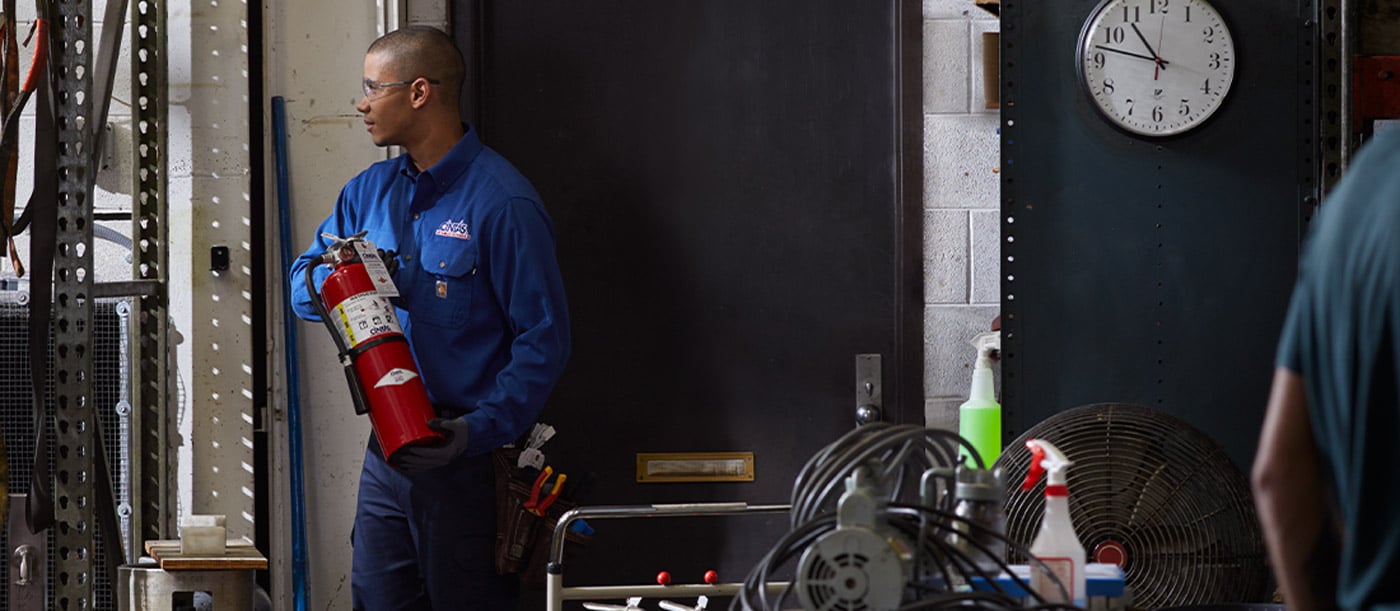
cintas fire service technician

HELP PROTECT YOUR PEOPLE AND PROPERTY

Trust the best in the industry with comprehensive fire protection services.
learn more about HELP PROTECT YOUR PEOPLE AND PROPERTY

A SAFER WORKDAY STARTS WITH BEING PREPARED

Complete First Aid & Safety solutions, including innovative products and safety training.

learn more about A SAFER WORKDAY STARTS WITH BEING PREPARED


Video Hero

Widgets: Card
Widget Template: Card. hero wide
Content Options:

- Title
- Description
- CTA Button
- Feature Video
- Use the subdomain or hostname in the URL of the video (www. or .stage)

Be ready for any job Imaginable with Apparel+


Paragraph and Text

Lorem ipsum dolor sit amet, consectetur adipiscing elit, sed do eiusmod tempor incididunt ut labore et dolore magna aliqua. Ut enim ad minim veniam, quis nostrud exercitation ullamco laboris nisi ut aliquip ex ea commodo consequat. Duis aute irure dolor in reprehenderit in voluptate velit esse cillum dolore eu fugiat nulla pariatur. Excepteur sint occaecat cupidatat non proident, sunt in culpa qui officia deserunt mollit anim id est laborum.

Heading Levels

Heading Level 1

Lorem ipsum velit duis adipisicing


Heading Level 2

Deserunt ut amet culpa in fugiat aliqua


Heading Level 3

Officia eu dolore in culpa veniam incididunt


Heading Level 4

Ad cupidatat pariatur ex veniam laborum


Paragraphs

Paragraph

deserunt consectetur tempor cupidatat in officia duis eiusmod consectetur id officia mollit incididunt voluptate laborum qui eu ea proident ex mollit ut laboris labore id consequat eiusmod aliquip sint non ullamco mollit adipisicing in voluptate exercitation aute sint minim ullamco id pariatur voluptate aute qui veniam cupidatat ad amet in commodo ut occaecat irure et nisi incididunt anim enim irure sit proident sint aliquip et ut amet minim aute anim ad ut ex dolor adipisicing ex voluptate sunt irure commodo elit excepteur minim consectetur anim aliqua proident officia ad irure labore laboris deserunt occaeca

dolore est magna irure adipisicing officia amet excepteur culpa mollit incididunt nisi ut sed sit ea amet laboris et excepteur sunt dolore

Lists

Unordered List

  • nulla dolor eu irure voluptate
  • est sit et aliquip est dolore
  • enim veniam do duis elit qui
  • cillum enim dolor duis nisi
  • id fugiat nisi irure proident
  • sunt anim in esse sint quis nisi
  • ut in ex deserunt dolor minim

Ordered List

  1. nulla dolor eu irure voluptate
  2. est sit et aliquip est dolore
  3. enim veniam do duis elit qui
  4. cillum enim dolor duis nisi
  5. id fugiat nisi irure proident
  6. sunt anim in esse sint quis nisi
  7. ut in ex deserunt dolor minim

Paragraph and text CSS helper classes

Center

Css class: text-align-center

nulla dolor eu irure voluptate est sit et aliquip est dolore enim veniam do duis elit
qui cillum enim dolor duis nisi id fugiat nisi irure proident sunt anim
in esse sint quis nisi ut in ex deserunt dolor minim.


Bold

Css class: bold

In culpa tempor cupidatat aliquip consectetur qui et do sint nisi sed laboris elit voluptate excepteur aliquip minim nulla adipisicing dolore est magna irure adipisicing officia amet excepteur culpa mollit incididunt nisi ut sed sit ea amet laboris et excepteur sunt dolore ut consectetur aliqua qui labore cupidatat aute ullamco do cillum velit in ut in eu incididunt quis cillum est velit excepteur et sed pariatur sunt sint eu mollit cupidatat deserunt esse irure fugiat ut aliquip dolor amet officia dolore consectetur ad consequat dolor sint labore enim ad consectetur veniam mollit consequat nulla fugiat


Italic

Css class: italic

In culpa tempor cupidatat aliquip consectetur qui et do sint nisi sed laboris elit voluptate excepteur aliquip minim nulla adipisicing dolore est magna irure adipisicing officia amet excepteur culpa mollit incididunt nisi ut sed sit ea amet laboris et excepteur sunt dolore ut consectetur aliqua qui labore cupidatat aute ullamco do cillum velit in ut in eu incididunt quis cillum est velit excepteur et sed pariatur sunt sint eu mollit cupidatat deserunt esse irure fugiat ut aliquip dolor amet officia dolore consectetur ad consequat dolor sint labore enim ad consectetur veniam mollit consequat nulla fugiat


Strike

Css class: strike

In culpa tempor cupidatat aliquip consectetur qui et do sint nisi sed laboris elit voluptate excepteur aliquip minim nulla adipisicing dolore est magna irure adipisicing officia amet excepteur culpa mollit incididunt nisi ut sed sit ea amet laboris et excepteur sunt dolore ut consectetur aliqua qui labore cupidatat aute ullamco do cillum velit in ut in eu incididunt quis cillum est velit excepteur et sed pariatur sunt sint eu mollit cupidatat deserunt esse irure fugiat ut aliquip dolor amet officia dolore consectetur ad consequat dolor sint labore enim ad consectetur veniam mollit consequat nulla fugiat


Smaller

Css class: smaller

In culpa tempor cupidatat aliquip consectetur qui et do sint nisi sed laboris elit voluptate excepteur aliquip minim nulla adipisicing dolore est magna irure adipisicing officia amet excepteur culpa mollit incididunt nisi ut sed sit ea amet laboris et excepteur sunt dolore ut consectetur aliqua qui labore cupidatat aute ullamco do cillum velit in ut in eu incididunt quis cillum est velit excepteur et sed pariatur sunt sint eu mollit cupidatat deserunt esse irure fugiat ut aliquip dolor amet officia dolore consectetur ad consequat dolor sint labore enim ad consectetur veniam mollit consequat nulla fugiat


Smallest

Css class: smallest

In culpa tempor cupidatat aliquip consectetur qui et do sint nisi sed laboris elit voluptate excepteur aliquip minim nulla adipisicing dolore est magna irure adipisicing officia amet excepteur culpa mollit incididunt nisi ut sed sit ea amet laboris et excepteur sunt dolore ut consectetur aliqua qui labore cupidatat aute ullamco do cillum velit in ut in eu incididunt quis cillum est velit excepteur et sed pariatur sunt sint eu mollit cupidatat deserunt esse irure fugiat ut aliquip dolor amet officia dolore consectetur ad consequat dolor sint labore enim ad consectetur veniam mollit consequat nulla fugiat


Important

Css class: important / text-danger

In culpa tempor cupidatat aliquip consectetur qui et do sint nisi sed laboris elit voluptate excepteur aliquip minim nulla adipisicing dolore est magna irure adipisicing officia amet excepteur culpa mollit incididunt nisi ut sed sit ea amet laboris et excepteur sunt dolore ut consectetur aliqua qui labore cupidatat aute ullamco do cillum velit in ut in eu incididunt quis cillum est velit excepteur et sed pariatur sunt sint eu mollit cupidatat deserunt esse irure fugiat ut aliquip dolor amet officia dolore consectetur ad consequat dolor sint labore enim ad consectetur veniam mollit consequat nulla fugiat


Color

Css class: text--pms137

In culpa tempor cupidatat aliquip consectetur qui et do sint nisi sed laboris elit voluptate excepteur aliquip minim nulla adipisicing dolore est magna irure adipisicing officia amet excepteur culpa mollit incididunt nisi ut sed sit ea amet laboris et excepteur sunt dolore ut consectetur aliqua qui labore cupidatat aute ullamco do cillum velit in ut in eu incididunt quis cillum est velit excepteur et sed pariatur sunt sint eu mollit cupidatat deserunt esse irure fugiat ut aliquip dolor amet officia dolore consectetur ad consequat dolor sint labore enim ad consectetur veniam mollit consequat nulla fugiat


Page Navigation

Lorem ipsum dolor sit amet, consectetur adipiscing elit, sed do eiusmod tempor incididunt ut labore et dolore magna aliqua. Ut enim ad minim veniam, quis nostrud exercitation ullamco laboris nisi ut aliquip ex ea commodo consequat. Duis aute irure dolor in reprehenderit in voluptate velit esse cillum dolore eu fugiat nulla pariatur. Excepteur sint occaecat cupidatat non proident, sunt in culpa qui officia deserunt mollit anim id est laborum.


Breadcrumbs

Widgets: Breadcrumb
Widget Template: Breadcrumb


Rail Navigation

Widgets: Navigation
Widget Template: Custom rail

Image and Text

Lorem ipsum dolor sit amet, consectetur adipiscing elit, sed do eiusmod tempor incididunt ut labore et dolore magna aliqua. Ut enim ad minim veniam, quis nostrud exercitation ullamco laboris nisi ut aliquip ex ea commodo consequat. Duis aute irure dolor in reprehenderit in voluptate velit esse cillum dolore eu fugiat nulla pariatur. Excepteur sint occaecat cupidatat non proident, sunt in culpa qui officia deserunt mollit anim id est laborum.


Two Column Image Card

Widget: Card
Template: Card Background
Image size requirement: 960x400px
File size: 
100KB or less 
Content Options:
- Heading
- Description
- Main Image
- Main Image Position
- Call to Action Button
- Background color

Headline

Lorem ipsum dolor sit amet, consectetur adipiscing elit, sed do eiusmod tempor incididunt ut labore et dolore magna aliqua. Ut enim ad minim veniam, quis nostrud exercitation ullamco laboris nisi ut aliquip ex ea commodo consequat. Duis aute irure dolor in reprehenderit in voluptate velit esse cillum dolore eu fugiat nulla pariatur. Excepteur sint occaecat cupidatat non proident, sunt in culpa qui officia deserunt mollit anim id est laborum.

Headline

Lorem ipsum dolor sit amet, consectetur adipiscing elit, sed do eiusmod tempor incididunt ut labore et dolore magna aliqua. Ut enim ad minim veniam, quis nostrud exercitation ullamco laboris nisi ut aliquip ex ea commodo consequat.
read more


Full Width Two Columns Layout

Widgets: Content Block, Image
Optimal Image Size: 600 x 300 px
File Size: 100KB or less
Layout Elements: Grid 6+6 and Background
Content Options: It can be rearranged as needed because text, image and background are in its own widgets

Headline

Lorem ipsum dolor sit amet, consectetur adipiscing elit, sed do eiusmod tempor incididunt ut labore et dolore magna aliqua. Ut enim ad minim veniam, quis nostrud exercitation ullamco laboris nisi ut aliquip ex ea commodo consequat. Duis aute irure dolor in reprehenderit in voluptate velit esse cillum dolore eu fugiat nulla pariatur. Excepteur sint occaecat cupidatat non proident, sunt in culpa qui officia deserunt mollit anim id est laborum.

Learn More

 
Diego Nucete posed in front of the Cintas logo


Full Width Two Columns Alternative Styled Card

Widgets: Card
Widget Template: 
Card Background Alt
Image size requirements: 850x750px
File size: 150KB or less
Content Options:
- Heading
- Description
- CTA Link
- Image (GIF support)
- Image Position
- Background and Text Color

NEW!

The WaterBreak® ICE

More than just refreshing. Help your team replenish and stay cooler on the job with WaterBreak® ICE, our new workplace water system that now offers chewable ice alongside filtered water — all in one sleek, fully serviced dispenser.

learn more


Two Columns Custom Background Slider

Widgets: Slideshows
Widget Template: Slideshow Two Columns
Optimal Image size: width: 840x960px - height can vary (i.e. 840x1200, 840x600)
File size: 100KB or less
Content Options:
- Title
- Description
- CTA Button
- Feature Image
- Image Background Color


Two Columns Slider linked to Content Layout

Widgets: Content Block, Image Gallery, Grid 4+8 Layout Element
Widget Template: Image Widget: Carousel
Optimal Image Size: 800x800px
File size: 100KB or less
Content Options: Items can be rearranged as needed

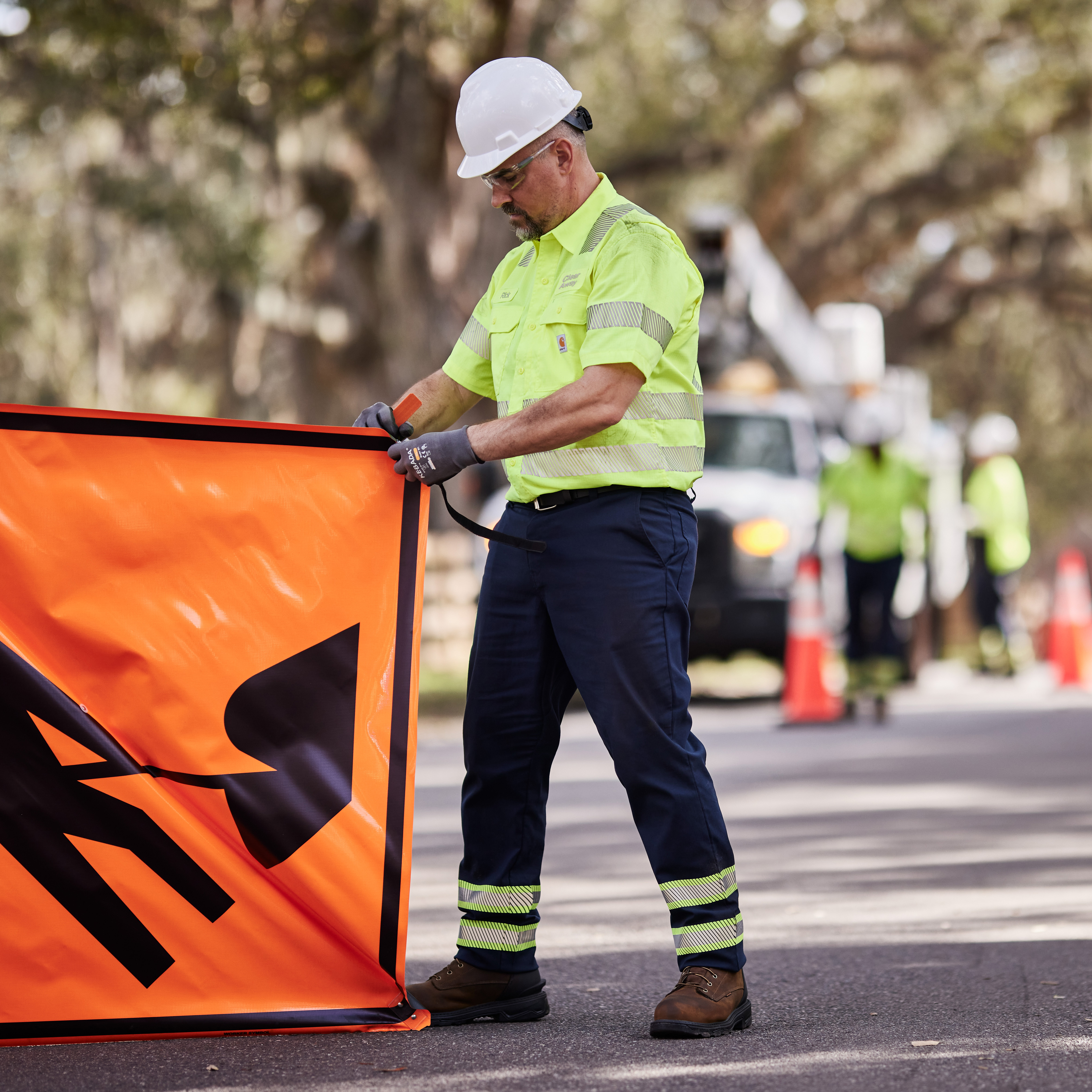
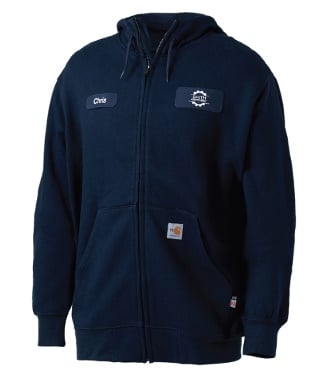
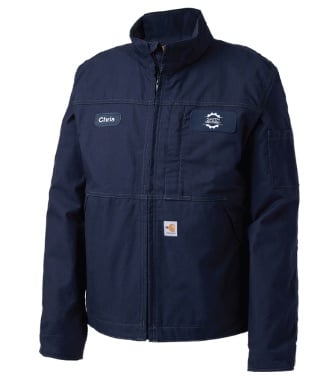
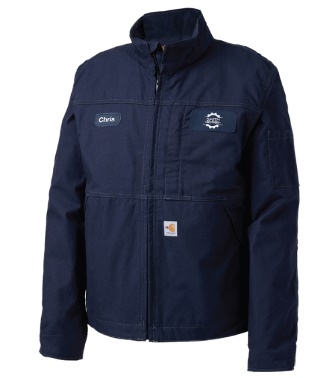
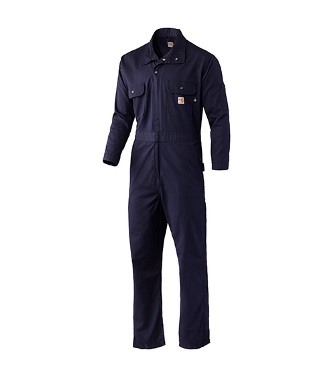
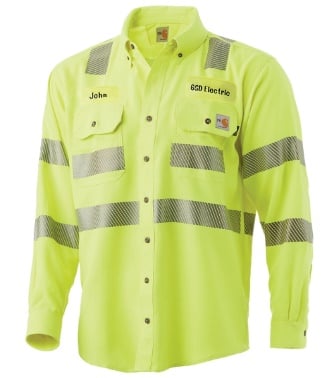
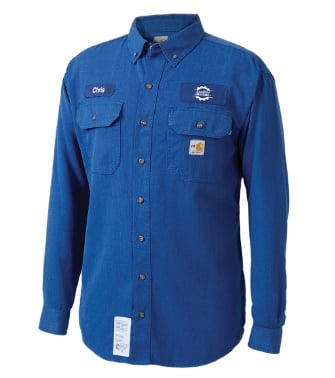
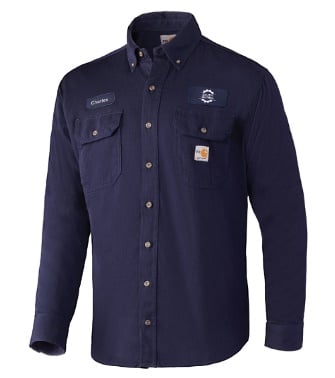
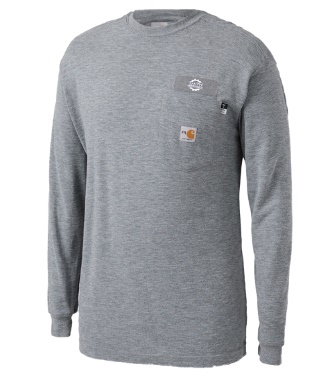
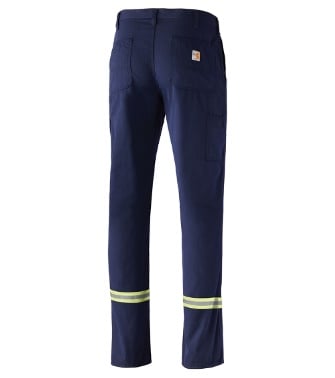
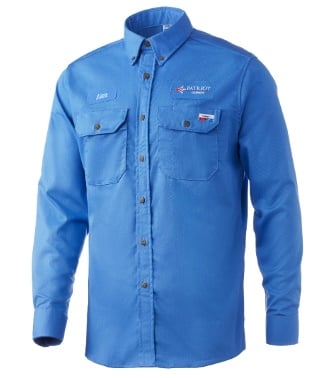
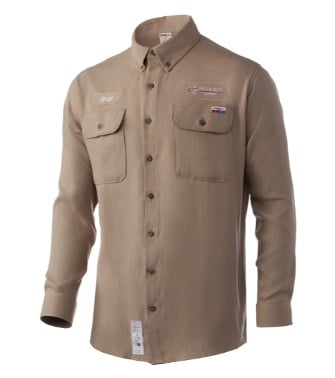
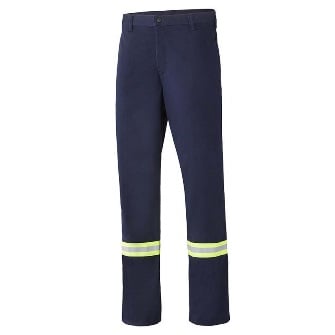
Workwear for almost any job imaginable

From heavy-volume work zones to fast-paced environments, Cintas delivers hi-performance visibility workwear for demanding industries – without ever compromising quality and comfort.


*Except oil and gas


Image and Text Cards

Widgets: Cards
Widget Templates: Card image
Optimal Image Size: 300x300px
File size:
60KB or less
Content Options:
- Heading
- Description
- CTA link
- Image
- Image Position
- Fits the width of the container

BLS Training

Headline

Lorem ipsum dolor sit amet, consectetur adipiscing elit, sed do eiusmod tempor incididunt ut labore et dolore magna aliqua.
learn more
BLS Training

Headline

Lorem ipsum dolor sit amet, consectetur adipiscing elit, sed do eiusmod tempor incididunt ut labore et dolore magna aliqua.
learn more

Headline

Lorem ipsum dolor sit amet, consectetur adipiscing elit, sed do eiusmod tempor incididunt ut labore et dolore magna aliqua.
learn more

Headline

Lorem ipsum dolor sit amet, consectetur adipiscing elit.

Headline

Sed do eiusmod tempor incididunt ut labore et dolore magna aliqua.


Flip Cards

Widgets: Cards
Widget Templates: Card Two Sided
Image size requirements: 320x320px
File size: 60KB or less
Content Options:
- Heading
- Description
- Image
- CTA Link
- Bottom border color

Important Note: On a mobile viewport, the cards do not flip.
Character count max: 125

Uniforms & Work Apparel

Lorem ipsum dolor sit amet, consectetur adipiscing elit, sed do eiusmod tempor incididunt ut labore et dolore magna aliqua.

Facility Services

Ut enim ad minim veniam, quis nostrud exercitation ullamco laboris nisi ut aliquip ex ea commodo consequat.

First Aid & Safety

Lorem ipsum dolor magna ut eiusmod commodo duis enim do sint id deserunt aute in fugiat nostrud sunt quis officia sint incididunt...

Fire Protection

Exercitation duis velit voluptate occaecat eiusmod commodo enim in nulla irure in sint ea occaecat dolore minim magna occaecat non...


Card-Image Combo

Widgets: Card, Image
Widget Template: Image: Image Round Corner, Card: Card Icon
Image size requirements: 800x400px
File size: 100KB or less
Content Options:
- Card and Image widget options
- Widgets can be placed on different containers and they will fit the containers width

260769-Higher-Education-Enterprise-Narrative_Landing-Page_09

Apparel To Inspire Team Loyalty

Boost staff satisfaction and retention with high-quality, retail-inspired apparel and exclusive brand partnerships.
260769-Higher-Education-Enterprise-Narrative_Landing-Page_15

Campus Solutions From One Partner

Achieve vendor consolidation from a single-source partner offering solutions to all common campus needs.
260769-Higher-Education-Enterprise-Narrative_Landing-Page_11

Care In Every Detail

Elevate campus image, cleanliness and hygiene with facility services, supplies and products.
260769-Higher-Education-Enterprise-Narrative_Landing-Page_16

Confidence In Campus Safety

Receive emergency preparedness and safety with life-saving devices, routine servicing, training, fire protection and protective equipment.

Videos & Copy

Lorem ipsum dolor sit amet, consectetur adipiscing elit, sed do eiusmod tempor incididunt ut labore et dolore magna aliqua. Ut enim ad minim veniam, quis nostrud exercitation ullamco laboris nisi ut aliquip ex ea commodo consequat. Duis aute irure dolor in reprehenderit in voluptate velit esse cillum dolore eu fugiat nulla pariatur. Excepteur sint occaecat cupidatat non proident, sunt in culpa qui officia deserunt mollit anim id est laborum.

Image and Text Combo

Widgets: Image, Content Block
Element Layouts: Container, Grid 6+6
Image size requirements: 890x500px (video thumbnail)
File size:
100KB or less
Content Options:
Widgets can be rearranged and different layout elements can be used

Headline

Lorem ipsum dolor sit amet, consectetur adipiscing elit, sed do eiusmod tempor incididunt ut labore et dolore magna aliqua. Ut enim ad minim veniam, quis nostrud exercitation ullamco laboris nisi ut aliquip ex ea commodo consequat. Duis aute irure dolor in reprehenderit in voluptate velit esse cillum dolore eu fugiat nulla pariatur. Excepteur sint occaecat cupidatat non proident, sunt in culpa qui officia deserunt mollit anim id est laborum.


Video Slider with controls on the center

Widgets: Content Slide
Widget Template: Cintas content Slider Center Arrows right media / left media
Image size requirements: 890x500px (video thumbnail)
File size:
100KB or less
Content Options:

Content Slider
- Heading 
- Description
- Feature Image
- Feature Video
- CTA Button
Important Note: A minimum of 3 videos


FEATURED

Cincinnati CEO applies Cintas First Aid skills to save a young girl's life

When a child began choking at the Chicago airport, Jeff Ruby Culinary Entertainment CEO Britney Ruby Miller relied on the life-saving techniques from her Cintas First Aid & Safety training, showing the real-world impact of being prepared and educated for emergencies.

read now

FEATURED

A father's quick thinking: how a Cintas manager saved his baby's life

When his 11-month-old son, Hudson, began choking, Zac Hull's quick action and a LifeVac device turned a potential tragedy into motivation for others. Watch as Zac shares his experience and why he believes everyone should be prepared for the unexpected.

read more

Cincinnati CEO Applies Cintas First Aid Skills to Save a Young Girl’s Life

See how Cintas' First Aid & Safety training gave a CEO the skills she needed to take quick action and save a young girl's life. When a child began choking at the Chicago airport, Jeff Ruby Culinary Entertainment CEO Britney Ruby Miller relied on the life-saving techniques from her Cintas First Aid & Safety training, showing the real-world impact of being prepared and educated for emergencies.

Read More

Youth baseball coach survives a sudden cardiac emergency due to the quick thinking of a Cintas employee

TJ was trained and certified in CPR and AED use, and was in the right place at the right time to save another man’s life. It’s an example for all of us that being ready™ for the unexpected can have lasting impacts, far beyond our own lives.

Read More


Testimonials

Lorem ipsum dolor sit amet, consectetur adipiscing elit, sed do eiusmod tempor incididunt ut labore et dolore magna aliqua. Ut enim ad minim veniam, quis nostrud exercitation ullamco laboris nisi ut aliquip ex ea commodo consequat. Duis aute irure dolor in reprehenderit in voluptate velit esse cillum dolore eu fugiat nulla pariatur. Excepteur sint occaecat cupidatat non proident, sunt in culpa qui officia deserunt mollit anim id est laborum.


Testimonials

Widgets: Testimonial
Widget Template: Testimonial
Content Options:
Testimonials
- Title
- Testimonial
- Testimonial By (Author)
- Company
- Classification: Related Solutions, Related Industry

  • Having a program like this has really helped in enabling my staff to feel good, feel confident and comfortable; that they’re always going to look the part and feel the part — and they have a clean chef coat every morning when they walk in. Partnering with Cintas really takes us to the next level.
    Matt Cooper, Senior Executive Chef

    Mercedes-Benz Stadium


Testimonials / Video Combo

Widgets: Testimonial, Content Block, Video Items
layout Items: Container , Grid 6+6
Optimal Image Size: 920x520px (Video thumbnail)
Widget Template: Testimonial, Single Video
Content Options:
Testimonials and Video Item Options

  • Having a program like this has really helped in enabling my staff to feel good, feel confident and comfortable; that they’re always going to look the part and feel the part — and they have a clean chef coat every morning when they walk in. Partnering with Cintas really takes us to the next level.
    Matt Cooper, Senior Executive Chef

    Mercedes-Benz Stadium


Infographics and Icon Cards

Lorem ipsum dolor sit amet, consectetur adipiscing elit, sed do eiusmod tempor incididunt ut labore et dolore magna aliqua. Ut enim ad minim veniam, quis nostrud exercitation ullamco laboris nisi ut aliquip ex ea commodo consequat. Duis aute irure dolor in reprehenderit in voluptate velit esse cillum dolore eu fugiat nulla pariatur. Excepteur sint occaecat cupidatat non proident, sunt in culpa qui officia deserunt mollit anim id est laborum.


Infographics

Widgets: InfoGraphics
Widget Template: InfoGraphics
Image size requirements: 100x80px (with transparent background)
File size: 
100KB or less
Content Options:

InfoGraphics
- Title
- Super heading
- Heading
- Sub heading
- Icon

  • Incident Rate
    1.35
    Lowered our total recordable incident rate to 1.35
  • More Than
    90%
    of our sales from U.S.-based operations
  • more than
    $1.81B
    in net income
  • More Than
    1 MILLION
    customers in the U.S. and Canada


Content Slider

Widgets: Content Slide
Widget Template: Cintas content Slider right media / Cintas content Slider left media
Image size requirements: 100x80px
File size: 
100KB or less
Content Options:
Content Slider
- Heading
- Description
- Feature Image
- Feature Video
- CTA Button

  • Floor Zone Icon

    Floor mat products made from 50% recycled content

  • uniform rental icon

    Wash chemistry utilizes U.S. EPA award-winning suite of chemicals


Headline

Lorem ipsum dolor sit amet, consectetur adipiscing elit, sed do eiusmod tempor incididunt ut labore et dolore magna aliqua. Ut enim ad minim veniam, quis nostrud exercitation ullamco laboris nisi ut aliquip ex ea commodo consequat. Duis aute irure dolor in reprehenderit in voluptate velit esse cillum dolore eu fugiat nulla pariatur. Excepteur sint occaecat cupidatat non proident, sunt in culpa qui officia deserunt mollit anim id est laborum.

  • Floor Zone Icon

    Floor mat products made from 50% recycled content

  • uniform rental icon

    Wash chemistry utilizes U.S. EPA award-winning suite of chemicals


Before & After Image Slider

Widgets: Before & After Image Slider
Widget Template: Image.slider
Optimal Image Size: 800x600px small images - 1920x960px large images
File Size: 100KB or less

color photo black and white

Frequently Asked Questions

Lorem ipsum dolor sit amet, consectetur adipiscing elit, sed do eiusmod tempor incididunt ut labore et dolore magna aliqua. Ut enim ad minim veniam, quis nostrud exercitation ullamco laboris nisi ut aliquip ex ea commodo consequat. Duis aute irure dolor in reprehenderit in voluptate velit esse cillum dolore eu fugiat nulla pariatur. Excepteur sint occaecat cupidatat non proident, sunt in culpa qui officia deserunt mollit anim id est laborum.


FAQ List

Widgets: List
Widget Template: Expandable List
Content Options:
List
- Title
List Item
- Title
- Content

FAQs

Apparel & Products

Lorem ipsum dolor sit amet, consectetur adipiscing elit, sed do eiusmod tempor incididunt ut labore et dolore magna aliqua. Ut enim ad minim veniam, quis nostrud exercitation ullamco laboris nisi ut aliquip ex ea commodo consequat. Duis aute irure dolor in reprehenderit in voluptate velit esse cillum dolore eu fugiat nulla pariatur. Excepteur sint occaecat cupidatat non proident, sunt in culpa qui officia deserunt mollit anim id est laborum.


Simple Shot

Widgets: Product
Widget Template: Product Simple Shot
Optimal Image Size: 640x320px
File size: 100KB or less
Content Options:
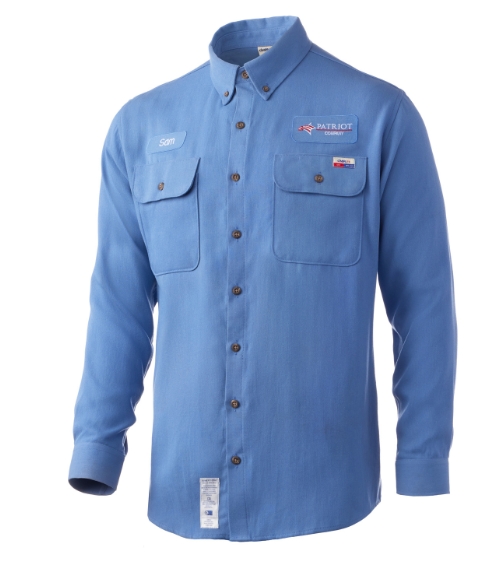
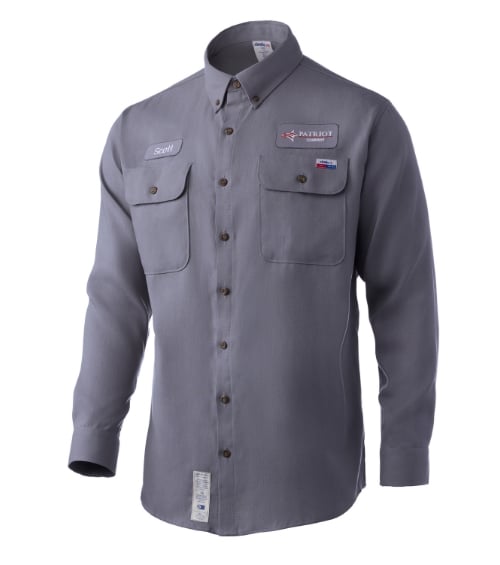
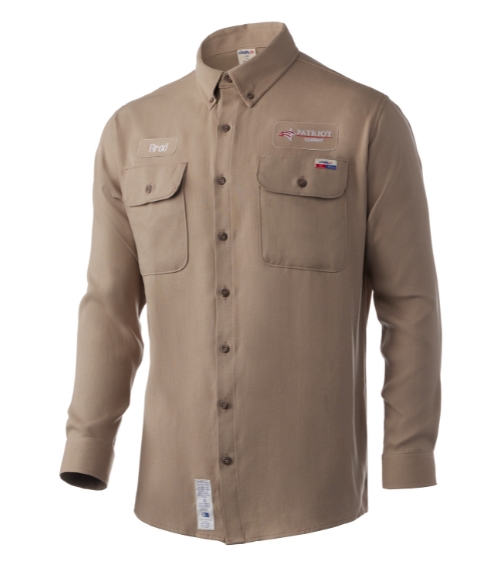
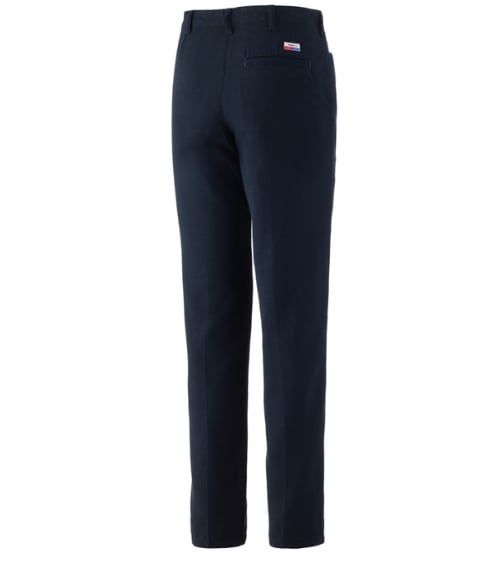
Product content type options

Experience the color-coded ease of SimpleShot


Products Gallery

Widgets: Products
Widget Template: Product Thumbs Gallery
Image size requirements: 750x650px
File size: 
100KB or less
Content Options:
Product content type options


Related Products

Widgets: Related Products
Widget Template: Featured View
Image size requirements: 500x500px
File size: 
100KB or less
Content Options:

Product, Work Apparel and Solutions content type options


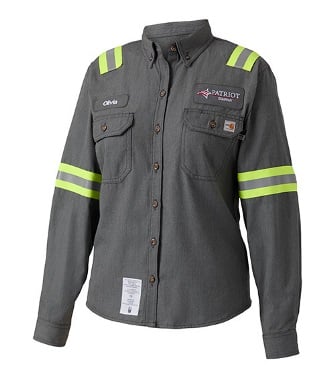
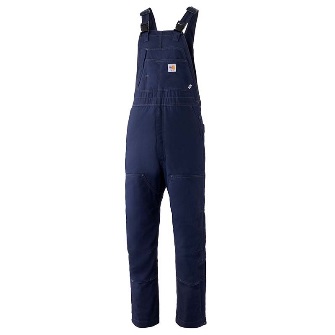
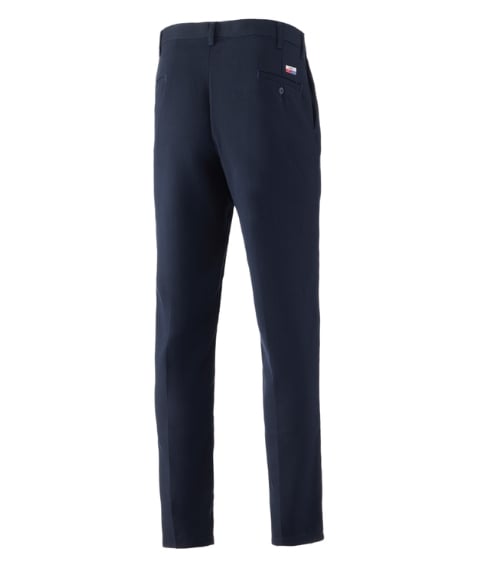
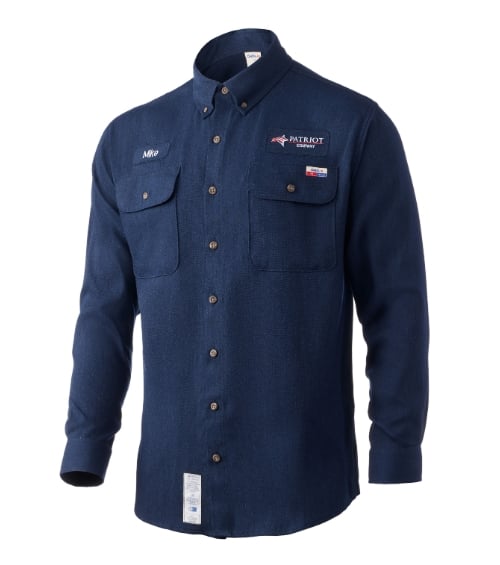
Apparel

Widgets: Apparel Items
Widget Template: Carousel
Image size requirements: 500x500px
File size: 
100KB or less
Content Options:

- Heading
- Summary
- Description
- Available sizes
- Color Choices
- Additional detail images
- Color Option Image
- Classification: (Solutions, Industries, Apparel colors, Contact URL)
- Related apparel items

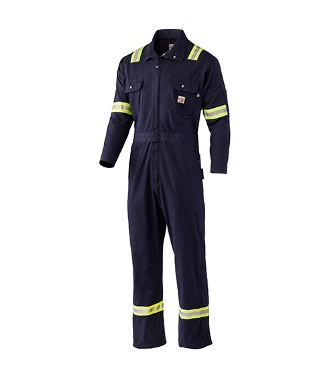
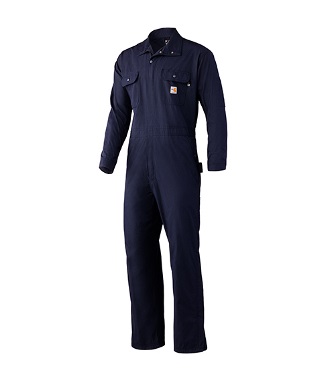
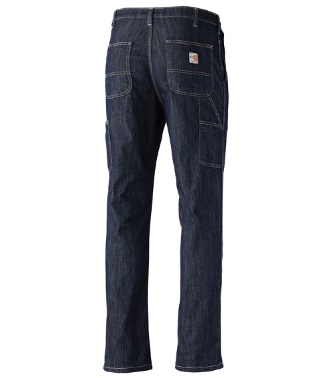
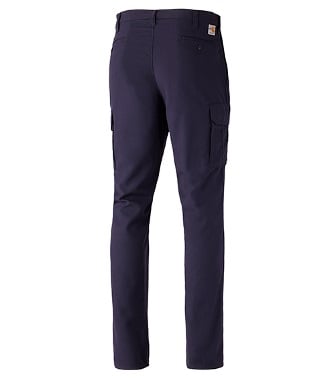
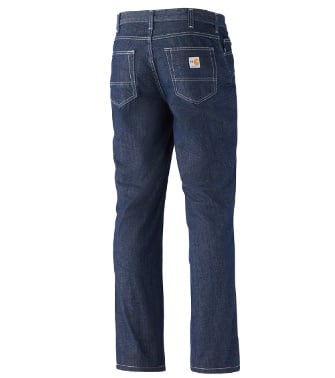
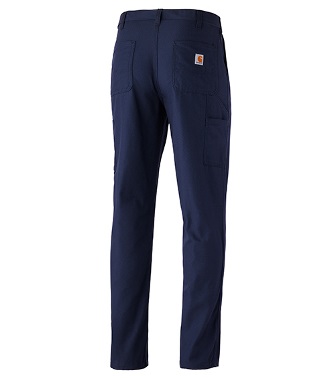
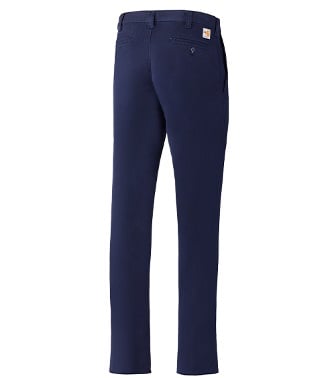
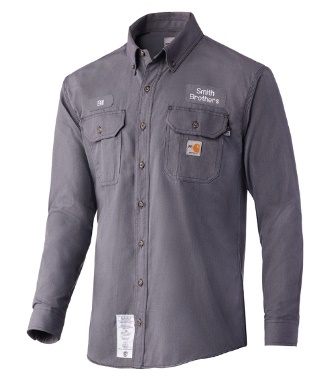
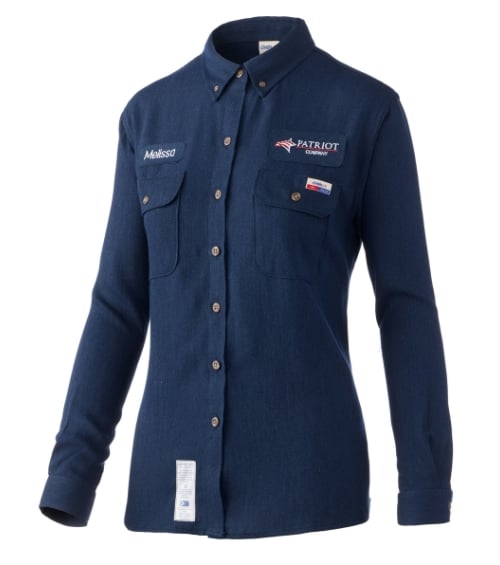
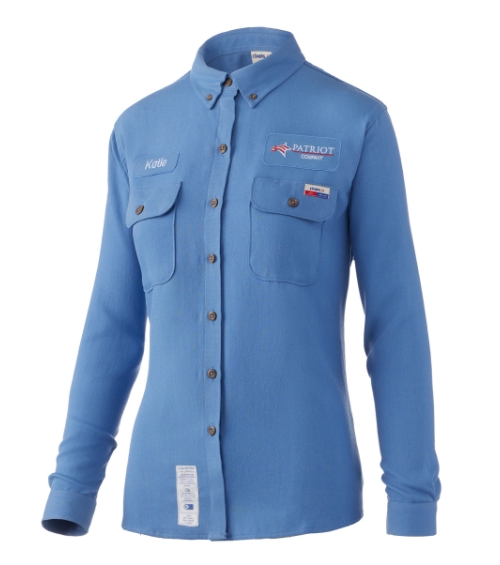
Apparel

Blog Posts

Lorem ipsum dolor sit amet, consectetur adipiscing elit, sed do eiusmod tempor incididunt ut labore et dolore magna aliqua. Ut enim ad minim veniam, quis nostrud exercitation ullamco laboris nisi ut aliquip ex ea commodo consequat. Duis aute irure dolor in reprehenderit in voluptate velit esse cillum dolore eu fugiat nulla pariatur. Excepteur sint occaecat cupidatat non proident, sunt in culpa qui officia deserunt mollit anim id est laborum.


Blog Post List

Widgets: Blog posts
Widget Template: Blog posts list
Image size requirements: -960x480px
File size: 
100KB or less
Content Options:

Blog
- Title
Blog Post
- Title
- Content
- Summary
- Catrgories
- Tags
- Author
- PublishedDate
- Newstypes
- Solutions
- Industries
- Newsroom Categories
- Featured image
- Image Gallery
- Related audio file
- Audio transcription text
- Video embed code
- Video transcription text
- Related testimonials
- Related blog posts

Published 04.23.26

Managed Uniform Programs vs. Self-Service Systems

Comparing managed and self‑service uniforms by cost, control and day‑to‑day effort.

Key Takeaways:

  • The biggest difference between managed and self-service uniform programs isn’t the clothing — it’s who handles the day to day work.
  • Self-service systems can offer flexibility, but they often require ongoing management for approvals, fixes and employee questions.
  • Fully managed uniform programs offload ordering, maintenance and issue resolution to a vendor so uniforms run in the background.
  • As teams grow, self-service programs tend to create more complexity, while managed programs are designed to scale with less internal effort.
  • The real cost decision comes down to total cost of ownership, including staff time, operational disruptions and compliance oversight.

Leaders in manufacturing, skilled trades, automotive and other hard-working industries know that uniforms are vital to a well-functioning business. Uniforms help keep team members comfortable, safer, compliant and looking professional on the job.

But between sourcing, sizing, laundry and garment maintenance, rolling out a uniform program on your own can take a lot of time and effort for an already-stretched management staff.

That doesn’t even account for the overwhelming number of uniform program types available on the market, including direct purchase, reimbursement programs, stipend allocation and fully managed apparel programs. Oftentimes, the impact of a uniform program is less about garments and more about ongoing management and oversight.

That’s why the real question facing managers isn’t just which vendor is cheapest, or which model offers more choices. It’s about who is responsible for managing the program once the uniforms arrive.

Overview of Fully Managed Uniform Programs

Managed uniform programs are designed for organizations that want uniform clothing handled as an outsourced operational system, not a recurring internal task.

In this model, a vendor manages the full uniform lifecycle — procurement, sizing, laundry and repairs, distribution, inventory oversight and more. In some cases, these programs function as provider-operated solutions rather than simple ordering platforms.

For many managers, the appeal of a fully-managed program isn’t just the garments themselves — it’s the reduction of day to day involvement. Once service expectations are established and the uniforms are delivered, most of the ongoing coordination happens outside the organization. New hires get sized quickly. Worn out garments are repaired or replaced efficiently. Employees don’t need to track down approvals or escalate issues internally.

Managed uniform programs are often structured to support growth. Expert guidance from the vendor and regular service visits helps limit the issues that tend to pull managers into uniform decisions unexpectedly. Managed programs centralize accountability, which can reduce the risk of tasks falling between the cracks across operations, human resources and procurement.

In organizations where managers are pulled in multiple directions, a managed uniform program can become a real advantage.

Overview of Self-Service Uniform Systems

Self-service uniform programs or stipends appeal to organizations that want more direct control over how uniforms are purchased and distributed.

In the self-service model, employees order uniforms through an internal or third-party online portal, typically using a company-issued stipend or allowance. These systems offer flexibility but also rely on employers to define rules, maintain catalogs and resolve issues as they arise.

For managers, self-service portals can feel efficient at the outset. There’s transparency into spend, the freedom to tailor options by role and a sense that technology is handling the bulk of the work. For small teams or organizations with limited uniform needs, the model can work well.

But over time, many managers discover that a stipend program doesn’t eliminate management — it redistributes it. Someone still must answer questions about employee eligibility, approve exceptions, size new hires, add those new hires into the system and step in when orders don’t arrive as expected. As headcount increases, the tasks multiply.

The success of a stipend program depends less on the portal itself and more on how much internal time and attention the organization can realistically afford to dedicate to it.

How Self-Service Uniform Portals Work for Employees

From an employee’s perspective, self-service portals are designed to be intuitive.

A typical experience looks like this:

  • An employee logs into a secure website hosted by their company or a third-party vendor
  • They view approved uniform options determined by their job function
  • They select garments within a defined allowance
  • If their order exceeds the allowance, the employee pays the difference

E commerce uniform portals can make it easy for teams to browse and purchase apparel from virtually anywhere.

What’s less visible is what happens when something doesn’t go smoothly. A sizing issue, a role change or a missed delivery often triggers follow ups that land back on operations. Each individual issue may be minor, but collectively they can create a steady stream of interruptions — particularly for managers already balancing safety, production and staffing demands.

Key Differences Between Managed Programs and Self-Service Systems

While both models ultimately provide uniforms, they differ in how responsibility is distributed.

Managed uniform programs are designed to reduce overhead, enforce role based outfitting and centralize service and compliance, allowing a business to step back from daily involvement. Self-service systems maintain internal control but need additional oversight — any hiccup in the ordering or delivery process will require more work. For many organizations, the distinction becomes clear over time: uniforms either run quietly in the background, or they remain a significant part of the day-to-day workflow.

Benefits of Managed Uniform Programs

Organizations that adopt managed uniform programs often do so because the model supports their daily operations.

Common benefits cited by customers include:

  • Fewer administrative interruptions
  • Streamlined onboarding for new hires
  • Consistent branding across roles and locations
  • Reduced workload on operations staff

The results are clear. In fact, surveys have shown that companies that provide high-quality workwear to their employees are more likely to retain those workers over the next year.

Benefits of Self-Service Systems

Stipend programs can be attractive when flexibility is a priority.

They may offer:

  • Lower direct service fees
  • Greater freedom to customize garment options
  • Flexibility for small or highly specialized teams

Challenges of Managed Programs

Managed programs also come with tradeoffs that decision makers should weigh carefully.

While fully managed uniform programs are often available with minimal upfront cost, they may require a longer contractual commitment. Remember to review service terms, escalation paths, and pricing structures with the vendor so you both know what to expect before moving forward with an agreement.

Challenges of Self-Service Systems

The challenges of stipends often surface gradually.

Managers may find that:

  • Administrative tasks consume more time than expected
  • A self-service portal could require significant support from IT and operations
  • Brand consistency varies by location or role
  • Compliance oversight becomes harder to maintain at scale

Hidden costs — including platform markups and internal labor — are not always obvious at launch but can accumulate over time.

Cost Considerations and Total Cost of Ownership

Choosing the right uniform programs requires managers to look beyond the bottom line.

Managers need to consider total cost of ownership. That means pricing out the cost of internal labor, time spent resolving administrative issues, logistics work, compliance management and the impact of delays.

Fully managed uniform programs also offer budget clarity. While the cost of a stipend program ebbs and flows with hiring cycles and the seasons, fully managed programs charge a consistent, predictable weekly rate, helping ensure accounting consistency.

Decision makers and managers need to ask themselves: How much is my team’s time worth?

Evaluating Operational Control and Compliance

Both managed apparel programs and stipend models offer control, but in different ways.

Managed programs automate approvals, servicing and compliance tracking. Stipend programs allow for more flexibility but require managers to actively monitor and enforce standards.

The right balance depends on how much direct involvement you as a manager want to maintain as your business grows.

Choosing the Right Uniform Program for Your Business

Choosing between a fully-managed program and a stipend program ultimately comes down to internal capacity.

Decision makers can often benefit from stepping back and asking:

  • Who currently handles uniform related issues?
  • How often do uniforms impact other priorities?
  • Will problems scale up as the business scales up?

For organizations that see a uniform program as an operational requirement rather than a one-time purchase, fully-managed programs like Cintas Apparel+ can help you shrink your staff’s to-do list and streamline the workday.


Frequently asked questions

What are the main cost differences between managed and self-service uniform programs?

Managed programs typically bundle service fees and administrative costs into a predictable model, while stipend programs rely on service fees for an online portal and internal labor. The true difference often appears in total cost of ownership over time.

How do self-service portals impact employee satisfaction and efficiency?

Stipend portals can improve satisfaction by giving employees convenient access to approved uniforms, especially when systems are easy to use and clearly supported.

What level of compliance support do managed programs provide?

Managed programs generally offer PPE — including flame-resistant clothing — while handling garment maintenance to label standards, helping to keep the apparel safe and compliant.

Can self-service systems scale with growing workforce needs?

Stipend programs can scale, but operational success depends on having adequate internal resources to manage complexity as headcount grows.

How should businesses assess internal capacity before choosing a uniform program?

Organizations should evaluate available administrative time, IT support and compliance expertise to determine whether managing a self-service system internally is sustainable — or whether a fully managed uniform program would reduce operational strain.


Blog Post List

Widgets: Blog posts
Widget Template: Blog posts list image
Image size requirements: 960x480px
File size: 
100KB or less
Content Options:

Blog Post content type options

Published 04.23.26

Managed Uniform Programs vs. Self-Service Systems

Comparing managed and self‑service uniforms by cost, control and day‑to‑day effort.

Key Takeaways:

  • The biggest difference between managed and self-service uniform programs isn’t the clothing — it’s who handles the day to day work.
  • Self-service systems can offer flexibility, but they often require ongoing management for approvals, fixes and employee questions.
  • Fully managed uniform programs offload ordering, maintenance and issue resolution to a vendor so uniforms run in the background.
  • As teams grow, self-service programs tend to create more complexity, while managed programs are designed to scale with less internal effort.
  • The real cost decision comes down to total cost of ownership, including staff time, operational disruptions and compliance oversight.

Leaders in manufacturing, skilled trades, automotive and other hard-working industries know that uniforms are vital to a well-functioning business. Uniforms help keep team members comfortable, safer, compliant and looking professional on the job.

But between sourcing, sizing, laundry and garment maintenance, rolling out a uniform program on your own can take a lot of time and effort for an already-stretched management staff.

That doesn’t even account for the overwhelming number of uniform program types available on the market, including direct purchase, reimbursement programs, stipend allocation and fully managed apparel programs. Oftentimes, the impact of a uniform program is less about garments and more about ongoing management and oversight.

That’s why the real question facing managers isn’t just which vendor is cheapest, or which model offers more choices. It’s about who is responsible for managing the program once the uniforms arrive.

Overview of Fully Managed Uniform Programs

Managed uniform programs are designed for organizations that want uniform clothing handled as an outsourced operational system, not a recurring internal task.

In this model, a vendor manages the full uniform lifecycle — procurement, sizing, laundry and repairs, distribution, inventory oversight and more. In some cases, these programs function as provider-operated solutions rather than simple ordering platforms.

For many managers, the appeal of a fully-managed program isn’t just the garments themselves — it’s the reduction of day to day involvement. Once service expectations are established and the uniforms are delivered, most of the ongoing coordination happens outside the organization. New hires get sized quickly. Worn out garments are repaired or replaced efficiently. Employees don’t need to track down approvals or escalate issues internally.

Managed uniform programs are often structured to support growth. Expert guidance from the vendor and regular service visits helps limit the issues that tend to pull managers into uniform decisions unexpectedly. Managed programs centralize accountability, which can reduce the risk of tasks falling between the cracks across operations, human resources and procurement.

In organizations where managers are pulled in multiple directions, a managed uniform program can become a real advantage.

Overview of Self-Service Uniform Systems

Self-service uniform programs or stipends appeal to organizations that want more direct control over how uniforms are purchased and distributed.

In the self-service model, employees order uniforms through an internal or third-party online portal, typically using a company-issued stipend or allowance. These systems offer flexibility but also rely on employers to define rules, maintain catalogs and resolve issues as they arise.

For managers, self-service portals can feel efficient at the outset. There’s transparency into spend, the freedom to tailor options by role and a sense that technology is handling the bulk of the work. For small teams or organizations with limited uniform needs, the model can work well.

But over time, many managers discover that a stipend program doesn’t eliminate management — it redistributes it. Someone still must answer questions about employee eligibility, approve exceptions, size new hires, add those new hires into the system and step in when orders don’t arrive as expected. As headcount increases, the tasks multiply.

The success of a stipend program depends less on the portal itself and more on how much internal time and attention the organization can realistically afford to dedicate to it.

How Self-Service Uniform Portals Work for Employees

From an employee’s perspective, self-service portals are designed to be intuitive.

A typical experience looks like this:

  • An employee logs into a secure website hosted by their company or a third-party vendor
  • They view approved uniform options determined by their job function
  • They select garments within a defined allowance
  • If their order exceeds the allowance, the employee pays the difference

E commerce uniform portals can make it easy for teams to browse and purchase apparel from virtually anywhere.

What’s less visible is what happens when something doesn’t go smoothly. A sizing issue, a role change or a missed delivery often triggers follow ups that land back on operations. Each individual issue may be minor, but collectively they can create a steady stream of interruptions — particularly for managers already balancing safety, production and staffing demands.

Key Differences Between Managed Programs and Self-Service Systems

While both models ultimately provide uniforms, they differ in how responsibility is distributed.

Managed uniform programs are designed to reduce overhead, enforce role based outfitting and centralize service and compliance, allowing a business to step back from daily involvement. Self-service systems maintain internal control but need additional oversight — any hiccup in the ordering or delivery process will require more work. For many organizations, the distinction becomes clear over time: uniforms either run quietly in the background, or they remain a significant part of the day-to-day workflow.

Benefits of Managed Uniform Programs

Organizations that adopt managed uniform programs often do so because the model supports their daily operations.

Common benefits cited by customers include:

  • Fewer administrative interruptions
  • Streamlined onboarding for new hires
  • Consistent branding across roles and locations
  • Reduced workload on operations staff

The results are clear. In fact, surveys have shown that companies that provide high-quality workwear to their employees are more likely to retain those workers over the next year.

Benefits of Self-Service Systems

Stipend programs can be attractive when flexibility is a priority.

They may offer:

  • Lower direct service fees
  • Greater freedom to customize garment options
  • Flexibility for small or highly specialized teams

Challenges of Managed Programs

Managed programs also come with tradeoffs that decision makers should weigh carefully.

While fully managed uniform programs are often available with minimal upfront cost, they may require a longer contractual commitment. Remember to review service terms, escalation paths, and pricing structures with the vendor so you both know what to expect before moving forward with an agreement.

Challenges of Self-Service Systems

The challenges of stipends often surface gradually.

Managers may find that:

  • Administrative tasks consume more time than expected
  • A self-service portal could require significant support from IT and operations
  • Brand consistency varies by location or role
  • Compliance oversight becomes harder to maintain at scale

Hidden costs — including platform markups and internal labor — are not always obvious at launch but can accumulate over time.

Cost Considerations and Total Cost of Ownership

Choosing the right uniform programs requires managers to look beyond the bottom line.

Managers need to consider total cost of ownership. That means pricing out the cost of internal labor, time spent resolving administrative issues, logistics work, compliance management and the impact of delays.

Fully managed uniform programs also offer budget clarity. While the cost of a stipend program ebbs and flows with hiring cycles and the seasons, fully managed programs charge a consistent, predictable weekly rate, helping ensure accounting consistency.

Decision makers and managers need to ask themselves: How much is my team’s time worth?

Evaluating Operational Control and Compliance

Both managed apparel programs and stipend models offer control, but in different ways.

Managed programs automate approvals, servicing and compliance tracking. Stipend programs allow for more flexibility but require managers to actively monitor and enforce standards.

The right balance depends on how much direct involvement you as a manager want to maintain as your business grows.

Choosing the Right Uniform Program for Your Business

Choosing between a fully-managed program and a stipend program ultimately comes down to internal capacity.

Decision makers can often benefit from stepping back and asking:

  • Who currently handles uniform related issues?
  • How often do uniforms impact other priorities?
  • Will problems scale up as the business scales up?

For organizations that see a uniform program as an operational requirement rather than a one-time purchase, fully-managed programs like Cintas Apparel+ can help you shrink your staff’s to-do list and streamline the workday.


Frequently asked questions

What are the main cost differences between managed and self-service uniform programs?

Managed programs typically bundle service fees and administrative costs into a predictable model, while stipend programs rely on service fees for an online portal and internal labor. The true difference often appears in total cost of ownership over time.

How do self-service portals impact employee satisfaction and efficiency?

Stipend portals can improve satisfaction by giving employees convenient access to approved uniforms, especially when systems are easy to use and clearly supported.

What level of compliance support do managed programs provide?

Managed programs generally offer PPE — including flame-resistant clothing — while handling garment maintenance to label standards, helping to keep the apparel safe and compliant.

Can self-service systems scale with growing workforce needs?

Stipend programs can scale, but operational success depends on having adequate internal resources to manage complexity as headcount grows.

How should businesses assess internal capacity before choosing a uniform program?

Organizations should evaluate available administrative time, IT support and compliance expertise to determine whether managing a self-service system internally is sustainable — or whether a fully managed uniform program would reduce operational strain.


Blog Post Carousel

Widgets: Blog posts
Widget Template: Blog post carousel
Image size requirements: 960x480px
File size: 
100KB or less
Content Options:

Blog Post content type options

Published 04.23.26

Managed Uniform Programs vs. Self-Service Systems

Comparing managed and self‑service uniforms by cost, control and day‑to‑day effort.

Key Takeaways:

  • The biggest difference between managed and self-service uniform programs isn’t the clothing — it’s who handles the day to day work.
  • Self-service systems can offer flexibility, but they often require ongoing management for approvals, fixes and employee questions.
  • Fully managed uniform programs offload ordering, maintenance and issue resolution to a vendor so uniforms run in the background.
  • As teams grow, self-service programs tend to create more complexity, while managed programs are designed to scale with less internal effort.
  • The real cost decision comes down to total cost of ownership, including staff time, operational disruptions and compliance oversight.

Leaders in manufacturing, skilled trades, automotive and other hard-working industries know that uniforms are vital to a well-functioning business. Uniforms help keep team members comfortable, safer, compliant and looking professional on the job.

But between sourcing, sizing, laundry and garment maintenance, rolling out a uniform program on your own can take a lot of time and effort for an already-stretched management staff.

That doesn’t even account for the overwhelming number of uniform program types available on the market, including direct purchase, reimbursement programs, stipend allocation and fully managed apparel programs. Oftentimes, the impact of a uniform program is less about garments and more about ongoing management and oversight.

That’s why the real question facing managers isn’t just which vendor is cheapest, or which model offers more choices. It’s about who is responsible for managing the program once the uniforms arrive.

Overview of Fully Managed Uniform Programs

Managed uniform programs are designed for organizations that want uniform clothing handled as an outsourced operational system, not a recurring internal task.

In this model, a vendor manages the full uniform lifecycle — procurement, sizing, laundry and repairs, distribution, inventory oversight and more. In some cases, these programs function as provider-operated solutions rather than simple ordering platforms.

For many managers, the appeal of a fully-managed program isn’t just the garments themselves — it’s the reduction of day to day involvement. Once service expectations are established and the uniforms are delivered, most of the ongoing coordination happens outside the organization. New hires get sized quickly. Worn out garments are repaired or replaced efficiently. Employees don’t need to track down approvals or escalate issues internally.

Managed uniform programs are often structured to support growth. Expert guidance from the vendor and regular service visits helps limit the issues that tend to pull managers into uniform decisions unexpectedly. Managed programs centralize accountability, which can reduce the risk of tasks falling between the cracks across operations, human resources and procurement.

In organizations where managers are pulled in multiple directions, a managed uniform program can become a real advantage.

Overview of Self-Service Uniform Systems

Self-service uniform programs or stipends appeal to organizations that want more direct control over how uniforms are purchased and distributed.

In the self-service model, employees order uniforms through an internal or third-party online portal, typically using a company-issued stipend or allowance. These systems offer flexibility but also rely on employers to define rules, maintain catalogs and resolve issues as they arise.

For managers, self-service portals can feel efficient at the outset. There’s transparency into spend, the freedom to tailor options by role and a sense that technology is handling the bulk of the work. For small teams or organizations with limited uniform needs, the model can work well.

But over time, many managers discover that a stipend program doesn’t eliminate management — it redistributes it. Someone still must answer questions about employee eligibility, approve exceptions, size new hires, add those new hires into the system and step in when orders don’t arrive as expected. As headcount increases, the tasks multiply.

The success of a stipend program depends less on the portal itself and more on how much internal time and attention the organization can realistically afford to dedicate to it.

How Self-Service Uniform Portals Work for Employees

From an employee’s perspective, self-service portals are designed to be intuitive.

A typical experience looks like this:

  • An employee logs into a secure website hosted by their company or a third-party vendor
  • They view approved uniform options determined by their job function
  • They select garments within a defined allowance
  • If their order exceeds the allowance, the employee pays the difference

E commerce uniform portals can make it easy for teams to browse and purchase apparel from virtually anywhere.

What’s less visible is what happens when something doesn’t go smoothly. A sizing issue, a role change or a missed delivery often triggers follow ups that land back on operations. Each individual issue may be minor, but collectively they can create a steady stream of interruptions — particularly for managers already balancing safety, production and staffing demands.

Key Differences Between Managed Programs and Self-Service Systems

While both models ultimately provide uniforms, they differ in how responsibility is distributed.

Managed uniform programs are designed to reduce overhead, enforce role based outfitting and centralize service and compliance, allowing a business to step back from daily involvement. Self-service systems maintain internal control but need additional oversight — any hiccup in the ordering or delivery process will require more work. For many organizations, the distinction becomes clear over time: uniforms either run quietly in the background, or they remain a significant part of the day-to-day workflow.

Benefits of Managed Uniform Programs

Organizations that adopt managed uniform programs often do so because the model supports their daily operations.

Common benefits cited by customers include:

  • Fewer administrative interruptions
  • Streamlined onboarding for new hires
  • Consistent branding across roles and locations
  • Reduced workload on operations staff

The results are clear. In fact, surveys have shown that companies that provide high-quality workwear to their employees are more likely to retain those workers over the next year.

Benefits of Self-Service Systems

Stipend programs can be attractive when flexibility is a priority.

They may offer:

  • Lower direct service fees
  • Greater freedom to customize garment options
  • Flexibility for small or highly specialized teams

Challenges of Managed Programs

Managed programs also come with tradeoffs that decision makers should weigh carefully.

While fully managed uniform programs are often available with minimal upfront cost, they may require a longer contractual commitment. Remember to review service terms, escalation paths, and pricing structures with the vendor so you both know what to expect before moving forward with an agreement.

Challenges of Self-Service Systems

The challenges of stipends often surface gradually.

Managers may find that:

  • Administrative tasks consume more time than expected
  • A self-service portal could require significant support from IT and operations
  • Brand consistency varies by location or role
  • Compliance oversight becomes harder to maintain at scale

Hidden costs — including platform markups and internal labor — are not always obvious at launch but can accumulate over time.

Cost Considerations and Total Cost of Ownership

Choosing the right uniform programs requires managers to look beyond the bottom line.

Managers need to consider total cost of ownership. That means pricing out the cost of internal labor, time spent resolving administrative issues, logistics work, compliance management and the impact of delays.

Fully managed uniform programs also offer budget clarity. While the cost of a stipend program ebbs and flows with hiring cycles and the seasons, fully managed programs charge a consistent, predictable weekly rate, helping ensure accounting consistency.

Decision makers and managers need to ask themselves: How much is my team’s time worth?

Evaluating Operational Control and Compliance

Both managed apparel programs and stipend models offer control, but in different ways.

Managed programs automate approvals, servicing and compliance tracking. Stipend programs allow for more flexibility but require managers to actively monitor and enforce standards.

The right balance depends on how much direct involvement you as a manager want to maintain as your business grows.

Choosing the Right Uniform Program for Your Business

Choosing between a fully-managed program and a stipend program ultimately comes down to internal capacity.

Decision makers can often benefit from stepping back and asking:

  • Who currently handles uniform related issues?
  • How often do uniforms impact other priorities?
  • Will problems scale up as the business scales up?

For organizations that see a uniform program as an operational requirement rather than a one-time purchase, fully-managed programs like Cintas Apparel+ can help you shrink your staff’s to-do list and streamline the workday.


Frequently asked questions

What are the main cost differences between managed and self-service uniform programs?

Managed programs typically bundle service fees and administrative costs into a predictable model, while stipend programs rely on service fees for an online portal and internal labor. The true difference often appears in total cost of ownership over time.

How do self-service portals impact employee satisfaction and efficiency?

Stipend portals can improve satisfaction by giving employees convenient access to approved uniforms, especially when systems are easy to use and clearly supported.

What level of compliance support do managed programs provide?

Managed programs generally offer PPE — including flame-resistant clothing — while handling garment maintenance to label standards, helping to keep the apparel safe and compliant.

Can self-service systems scale with growing workforce needs?

Stipend programs can scale, but operational success depends on having adequate internal resources to manage complexity as headcount grows.

How should businesses assess internal capacity before choosing a uniform program?

Organizations should evaluate available administrative time, IT support and compliance expertise to determine whether managing a self-service system internally is sustainable — or whether a fully managed uniform program would reduce operational strain.

Video Items Carousel

Widgets: VideoItems
Widget Template: Video carousel

Footer

Lorem ipsum dolor sit amet, consectetur adipiscing elit, sed do eiusmod tempor incididunt ut labore et dolore magna aliqua. Ut enim ad minim veniam, quis nostrud exercitation ullamco laboris nisi ut aliquip ex ea commodo consequat. Duis aute irure dolor in reprehenderit in voluptate velit esse cillum dolore eu fugiat nulla pariatur. Excepteur sint occaecat cupidatat non proident, sunt in culpa qui officia deserunt mollit anim id est laborum.


Page Footer

Widgets: Card
Widget Template: Card.solid color
Image size requirements: 960x630px
File size: 
100KB or less