
















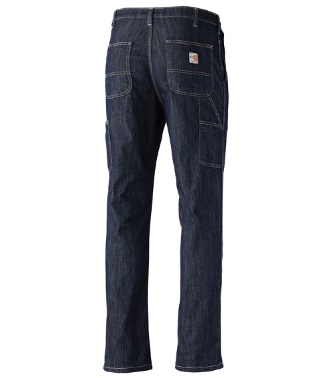
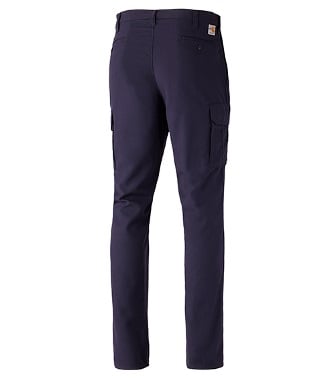
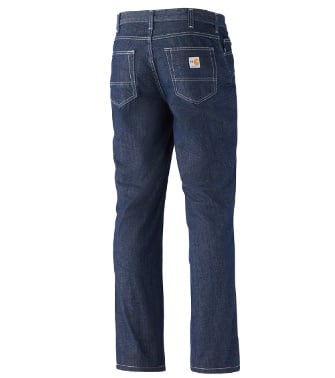
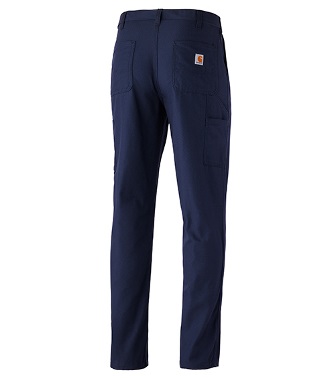
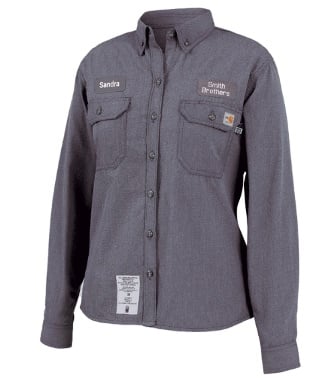
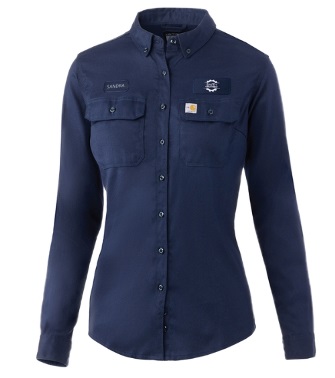
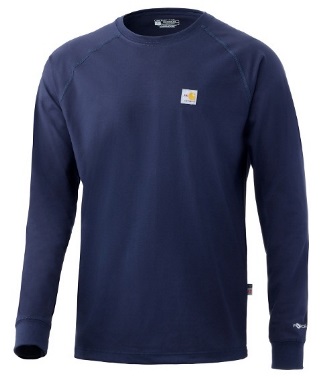
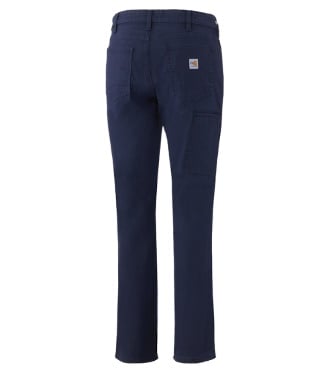
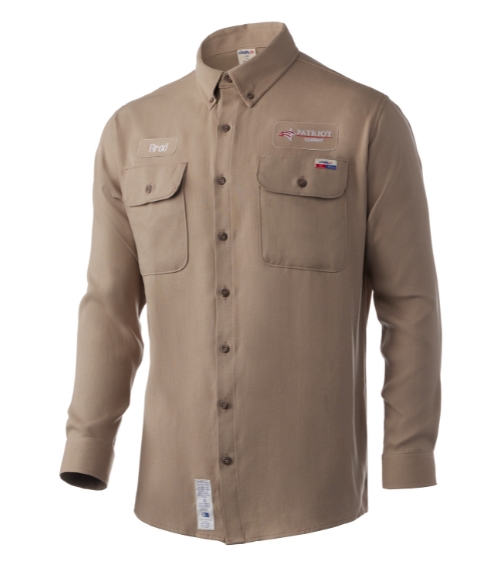
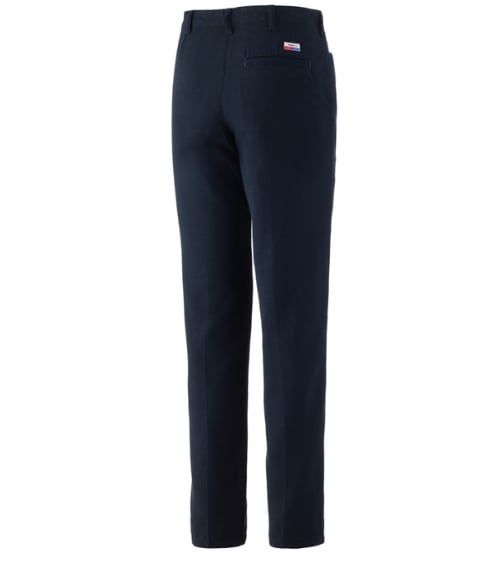
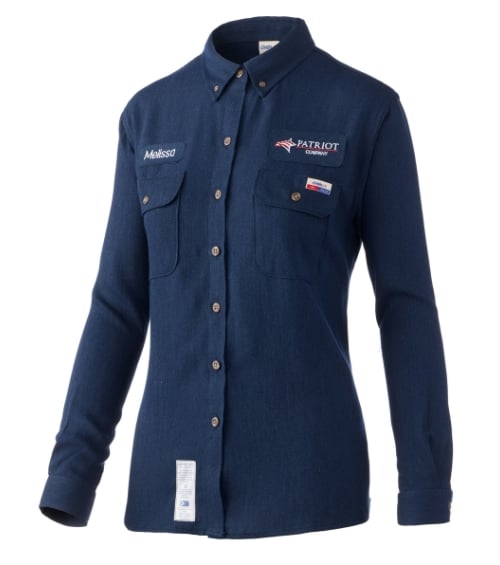
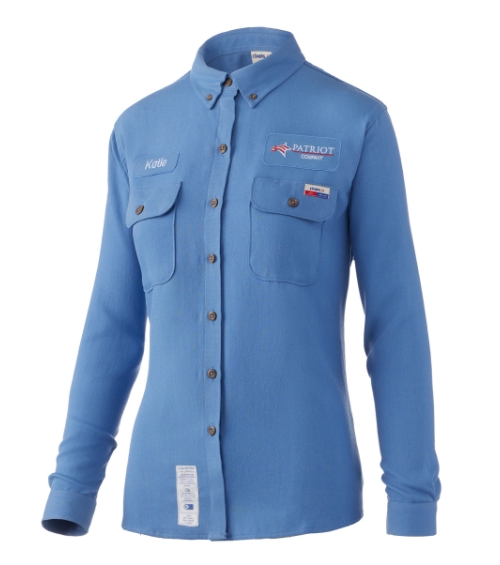
What Features Matter Most in Skilled Trade Workwear?
Key Takeaways:
- Effective workwear combines durability, fit and comfort to support productivity throughout the workday.
- The right work pants, work shirts and outerwear should match the environment employees work in.
- Proper fit improves mobility and helps employees stay comfortable and confident on the job.
- Quality garments can last longer, reduce replacements and create a more consistent appearance across crews.
Workwear plays a bigger role in job performance than you may realize. Each piece should help workers complete tasks comfortably and efficiently while standing up to demanding conditions. The best workwear in the skilled trades combines durability, fit, functionality and adaptability, helping managers outfit crews with gear that supports the task at hand.
Durability that keeps up with demanding jobsites
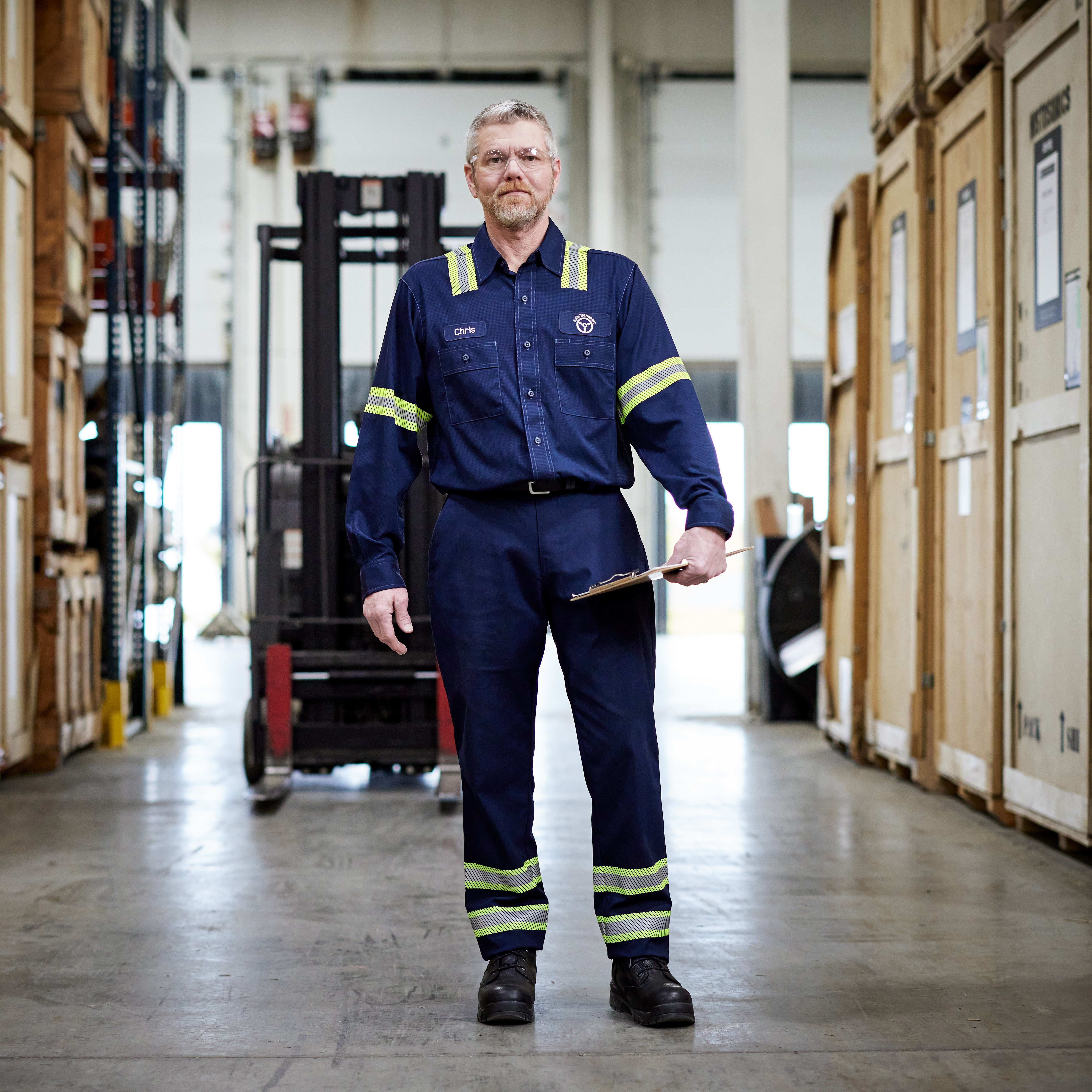
Durable workwear is built to handle daily routines without sacrificing comfort or mobility. For managers responsible for choosing workwear, poorly made garments can quickly lead to worn knees, torn seams, improper sizing and frequent replacements.
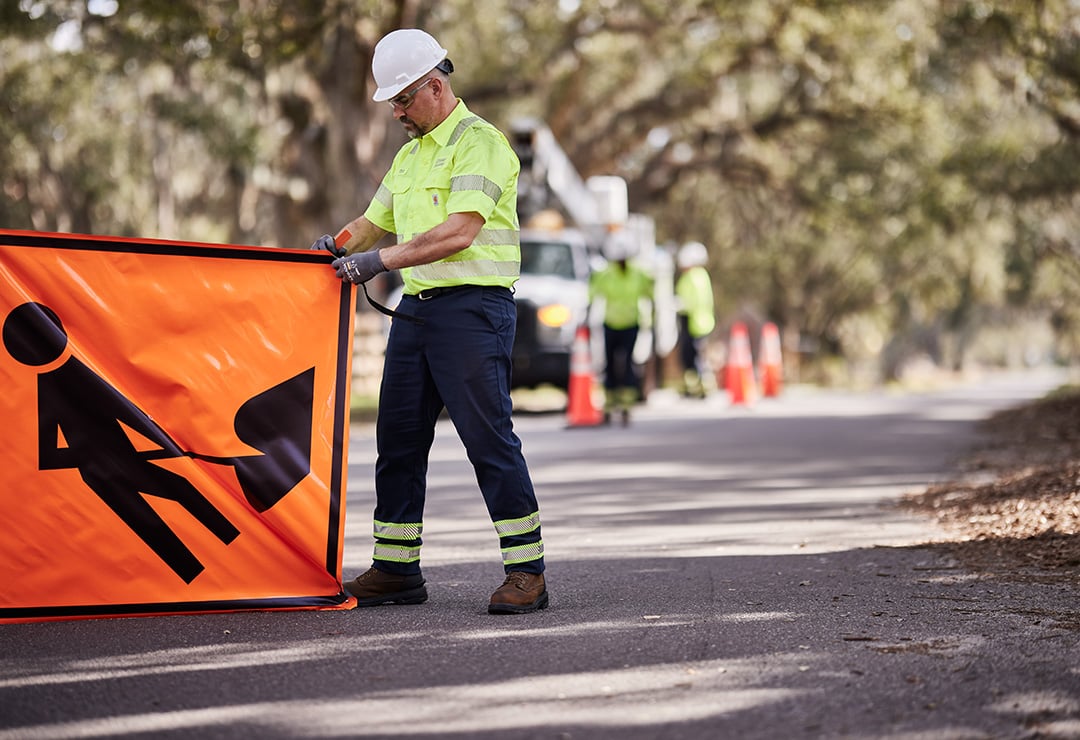
Quality apparel, however, is specifically designed for demanding environments, from manufacturing facilities to construction sites to crawl spaces. Well-constructed garments hold up longer, help crews stay productive and reduce the time spent managing replacements.
Look for features such as:
- Reinforced stitching
- Abrasion-resistant fabrics
- Durable pocket construction
- Strong closures and fasteners
The correct fit helps crews work efficiently
Properly fitting workwear supports comfort and confidence throughout the day.
A garment may be durable and well-made, but if it’s tight, loose or feels cumbersome, it can get in the way of performance. Workwear that fits correctly allows employees to bend, reach and climb naturally while adding a degree of confidence in their appearance.
Mobility and comfort across the workday
Of course, fit affects mobility and comfort. Whether using or repairing equipment, lifting, reaching or just moving throughout a facility, tradespeople need apparel that supports mobility rather than limiting it. Features such as stretch fabrics and ergonomic construction can improve day-to-day wearability.
Climate adaptability
Trades professionals often work across multiple environments and weather conditions in a single day. To help keep crews focused on work, consider workwear with:
- Breathable fabrics for warmer conditions
- Insulated outerwear for cold weather
- Rain-resistant layers
- Wind-resistant construction
- Lightweight options that support flexibility in the field
Functional workwear helps increase productivity
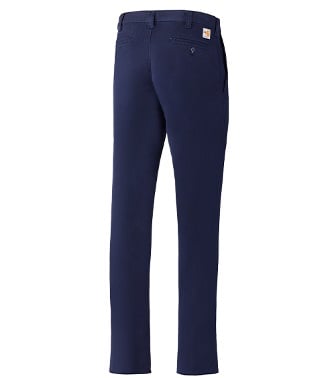
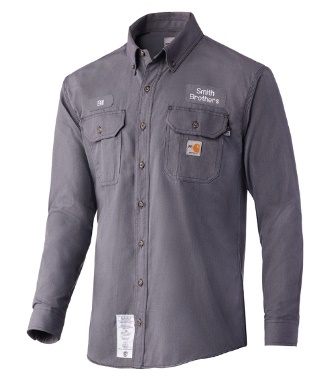
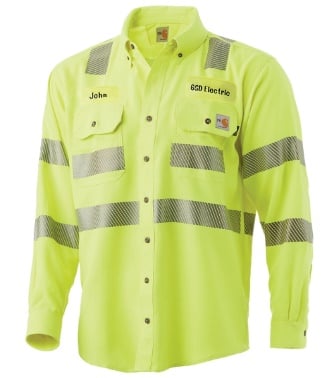
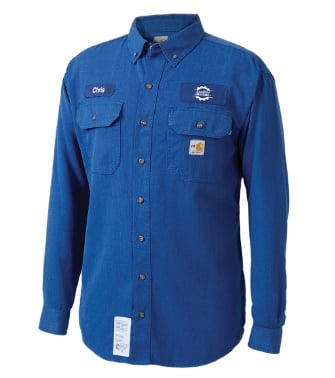
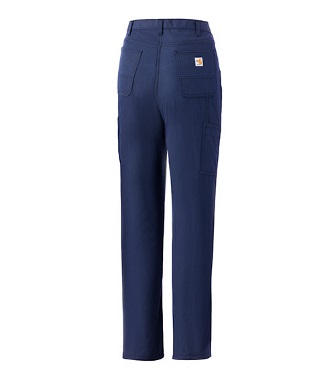
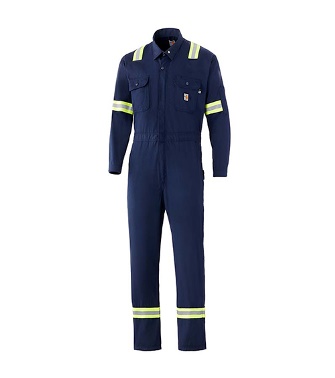
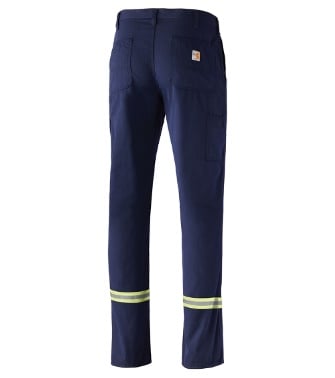
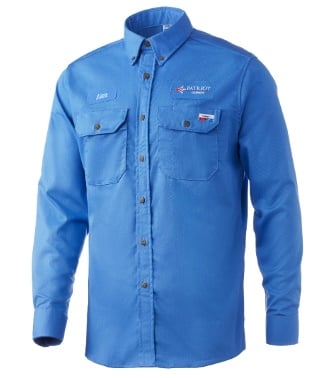
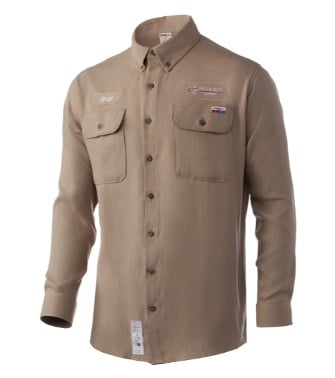
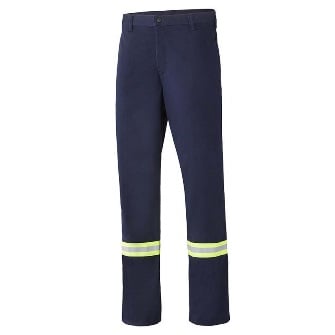
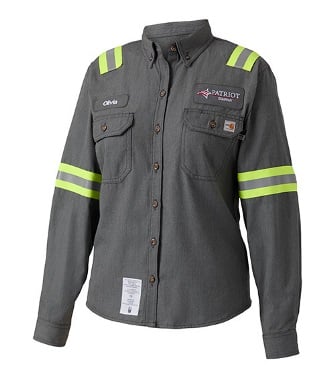
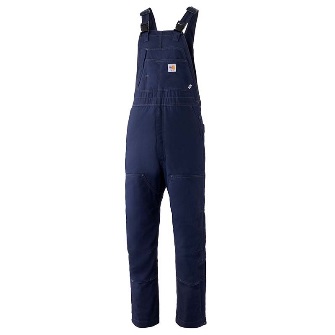
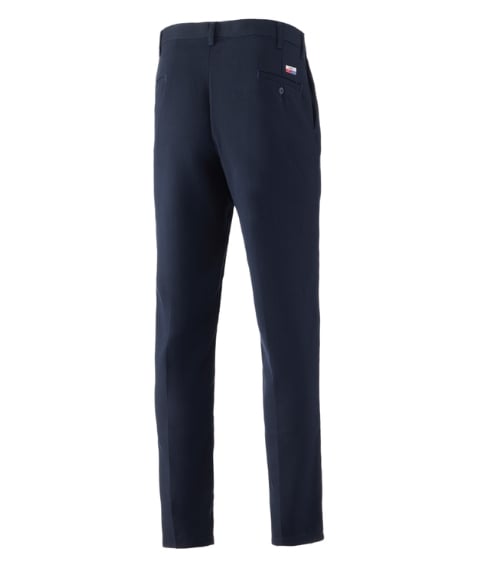
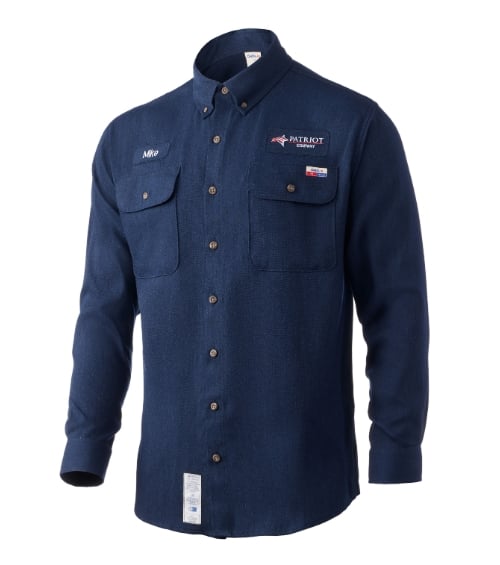
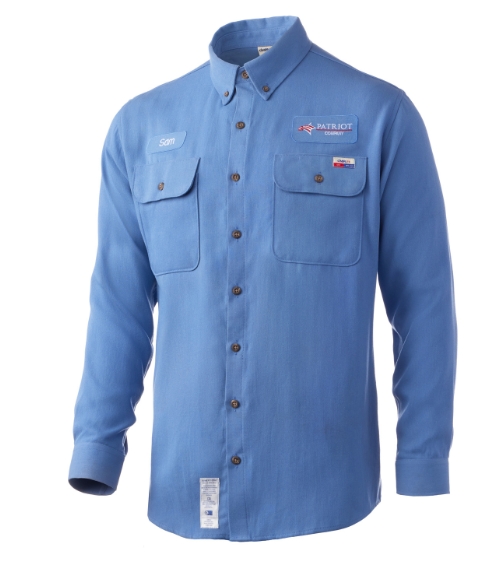
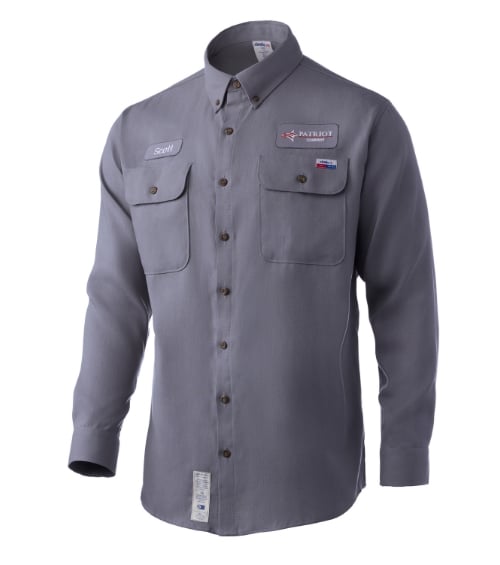
Work pants, work shirts and outerwear should be designed around the jobs teams perform. Features like tool-friendly pockets help keep essential items within reach and add a layer of support to each professional's work output. Purpose-built garments also enhance mobility, allowing employees to move comfortably between tasks. For example, a facilities technician climbing ladders or plumber under a counter accessing tools keeps essentials close.
Matching workwear to the job
Different skilled trades benefit from different workwear features. Selecting gear based on the demands of the job helps ensure employees have clothing that supports their daily responsibilities.
| Trade | Priority Features |
|---|---|
| Plumbing | Flexibility, comfort and functional storage |
| HVAC | Consistent fit, durability and all-day wearability |
| Lawn Care | Durability, protection from debris and chemicals, and long-wear performance |
| General Service Trades | Mobility, durability and professional appearance |
A brand your crew wants to wear
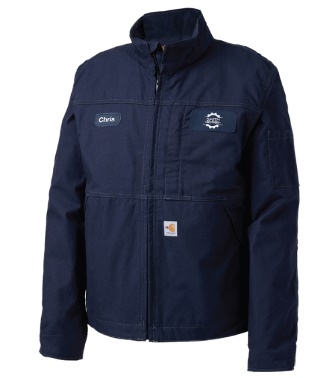
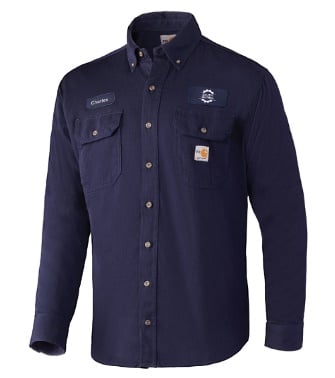
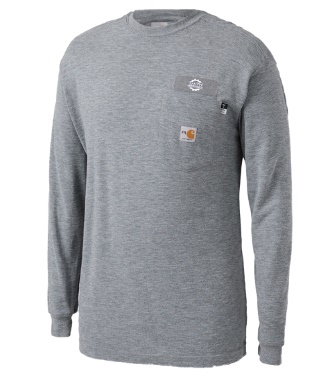
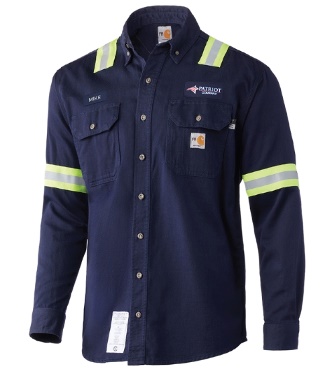
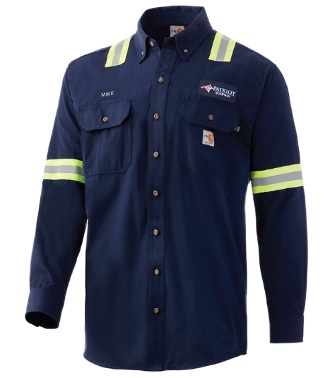
Workers notice the quality and appearance of the apparel they wear. Recognized brands such as Carhartt® are often associated with durable construction, comfort and styles designed specifically for tough work environments. For organizations looking to balance performance and employee satisfaction, offering trusted brands like Carhartt can be a valuable employee incentive.
Get skilled trade workwear built for tough tasks
By evaluating the demands of the jobs your team performs, you can make informed workwear decisions that support productivity, comfort and long-term use.
Learn more about selecting role-specific workwear with a Cintas Apparel+ managed workwear program, which includes work pants, work shirts, outerwear and comprehensive services to help keep your employees outfitted for the work ahead.
Frequently Asked Questions
What is workwear, and how is it different from regular clothing?
Workwear is apparel designed specifically for job-related tasks and working environments. It often includes features such as increased durability, mobility, weather protection and functionality that are not commonly found in everyday clothing.
What features should skilled tradespeople look for in workwear?
Durability, mobility, fit and comfort are among the most important considerations. The best work shirts and work pants should support the physical demands of the job while holding up to daily wear.
Why is fit important when selecting workwear?
Proper fit helps support movement, comfort and professional appearance. It can also help employees stay focused on their work rather than adjusting or managing uncomfortable garments.
What makes quality workwear a better long-term investment?
Quality garments are typically designed to withstand demanding environments and frequent use. Longer-lasting apparel can help reduce replacement needs.