Types of Fire Extinguishers: Which One Fits Your Needs?
Key Takeaways:
- Not all fires are the same and neither are extinguishers. Understanding fire classes (A,B, C, D, K) is essential to help ensure the right response
- Matching extinguishers to your specific workplace risks helps protect people — while reducing equipment and workspace damage, cleanup and downtime.
When flames break out where your employees work and gather, every second counts. And having the proper fire extinguisher on hand could be the difference between disaster and defense.
With a variety of fire extinguishers designed to address distinct fire hazards, it’s crucial that you understand which extinguisher is suited for which emergency. This high-level overview showcases the types of hand-held, portable fire extinguishers that are available, ratings for each and their unique advantages. You’ll walk away with essential knowledge to make informed safety decisions with confidence and clarity.
CLASSES OF FIRES
Class A: Ordinary combustible fires such as wood, cloth, paper, rubber and most plastics.
Class B: Flammable or combustible liquids such as petroleum greases, tars, oils, oil-based paints, solvent and lacquers, alcohol and flammable gases.
Class C: Electrically energized equipment, such as appliances, wiring, circuit breakers and outlets.
Class D: Combustible metal fires, such as magnesium, titanium, zirconium, sodium, lithium and potassium.
Class K: Cooking appliances that involve combustible cooking media such as vegetable or animal oils, fat or grease.
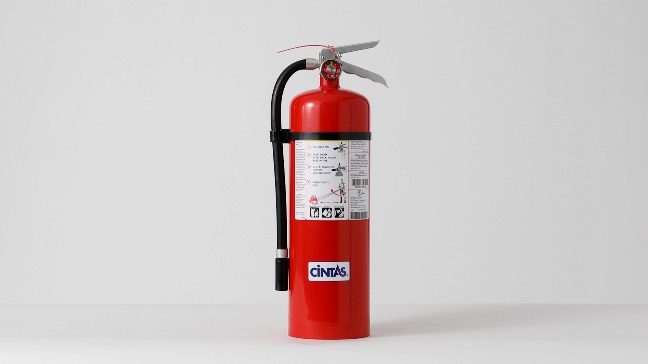
ABC Fire Extinguisher: Three-in-One Coverage
If you’re looking for a reliable, all-around option, the ABC fire extinguisher is likely what you’ll want. In fact, it’s one of the most familiar types used across workplaces because it covers multiple fire risks in one unit.
This extinguisher is rated for Class A, B and C fires, giving you coverage for ordinary materials like wood, paper and cloth (Class A), flammable liquids such as oils, petroleum greases and solvents (Class B), and energized electrical equipment like wiring or appliances (Class C). It dispenses a dry chemical that interrupts the fire’s chemical reaction. That means broad protection across your facilities.
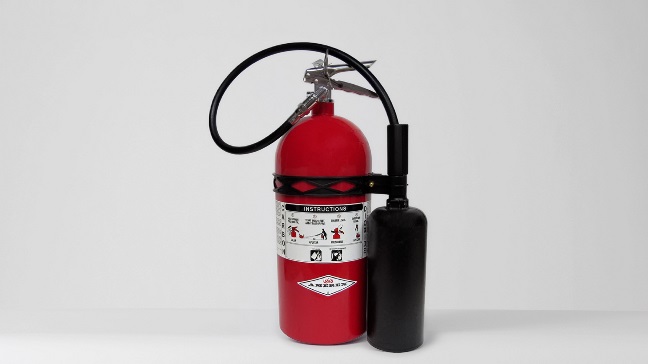
CO2 Fire Extinguisher: Built for Electronics
When your environment includes electronics or sensitive equipment, a CO2 fire extinguisher becomes a smart addition.
This extinguisher is equipped to address Class B and C fires, so you can confidently respond to flammable liquid incidents made of solvents, tars or oils (Class B) and electrical fires involving energized equipment (Class C). By releasing carbon dioxide gas, it suppresses flames without leaving residue behind. You’ll often find these in server rooms, near breaker boxes or around electrical systems, giving you a cleaner way to respond without damaging critical equipment.
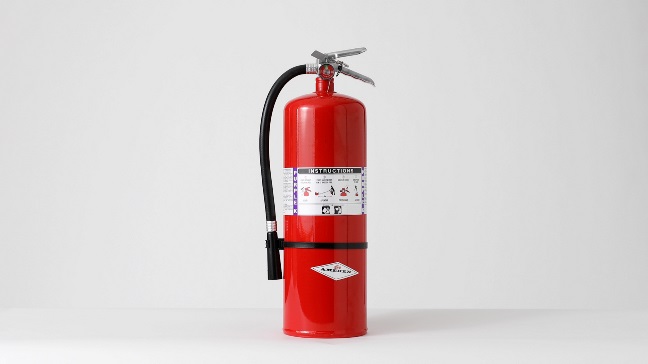
High Flow (Purple K) Fire Extinguisher: Power Where It Counts
In environments where flammable liquids and electrically energized equipment are a concern, a High Flow fire extinguisher delivers extra strength.
This type carries a Class B and C rating, with enhanced effectiveness on Class B fires involving solvents, greases and oils, while still supporting Class C electrical fire risks. Using a dry chemical or Purple K agent, it provides added knockdown power for high-risk areas like racetracks or fuel-storage environments.
Clean Agent Fire Extinguisher: Protection Without Cleanup
If your priority is protecting valuable or sensitive equipment, a Clean Agent fire extinguisher offers a clear advantage
This extinguisher is well-suited for Class B and C fire risks, helping you manage flammable liquids such as solvents or oils (Class B) and electrical hazards tied to energized systems (Class C). It discharges a halogen agent that suppresses flames without leaving harmful residue behind. For you, that means you can help protect your equipment, reduce cleanup and get back to normal operations faster. (Note: Some larger extinguishers are effective on Class A fire risks like paper or wood.)

Water Fire Extinguisher: A Straightforward Solution
The water fire extinguisher (or water cannon) is a dependable option for more common fire risks.
This unit is intended for Class A fires, tackling materials like wood, paper, cloth, rubber and most plastics. Using streaming water, it cools the fire to help reduce heat and combustion. With a reach of about 30 feet, it gives you the ability to respond while maintaining a safer distance.
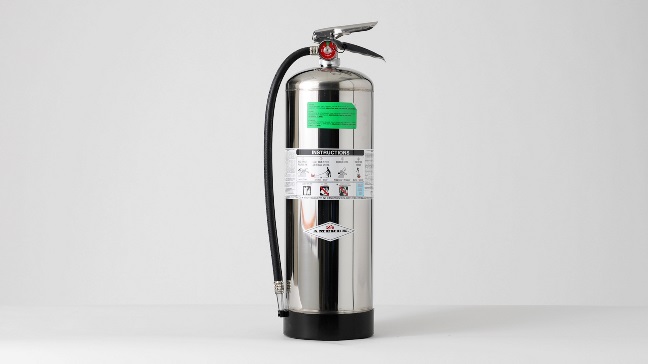
Water Mist Fire Extinguisher: Added Versatility
A water mist fire extinguisher provides a more controlled and versatile approach to fire protection.
This extinguisher can be used on Class A and C fires, helping you address ordinary combustibles like wood and paper (Class A) as well as electrical hazards involving energized equipment (Class C). It uses deionized water released in a fine mist to reduce heat. You’ll often find these in food processing facilities, pool properties or chlorine storage areas.
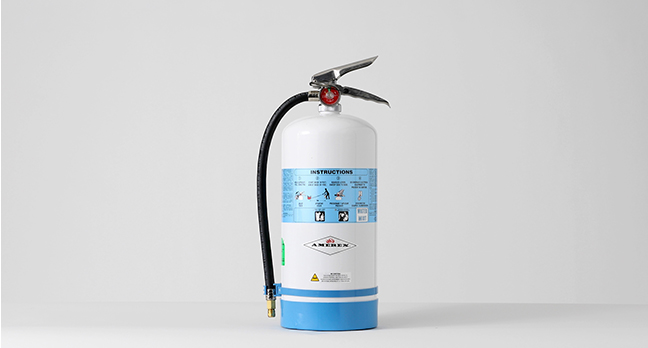
Class D Fire Extinguisher: Specialized for Metal Fires
If your operation involves combustible metals, a standard extinguisher won’t be enough. That’s where a Class D unit comes in.
This extinguisher is built for Class D fires, which involve metals like magnesium, titanium, sodium or aluminum shavings. It dispenses a dry powder that helps smother the fire. With a specialized wand, you can stand back while the dispensed agent creates an umbrella to suffocate the shavings.
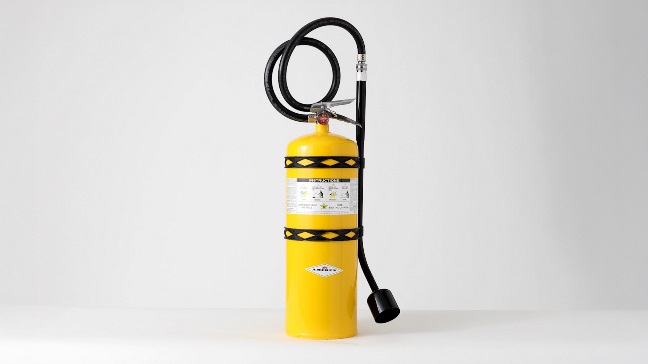
Class K Fire Extinguisher: Essential for Commercial Kitchens
In kitchen environments, fires behave unpredictably. This extinguisher is tailored for Class K fires, addressing high-temperature cooking oils, grease and fats commonly found in commercial kitchen equipment or food-service settings. It dispenses a wet chemical agent that cools the burning matter and suppresses flames.

Knowledge is Fire Power
Every workplace comes with fire risks. And knowing how each fire extinguisher aligns with specific fire classes helps you maintain a safer environment for your employees and guests.
Need extinguishers for your workplace and service to keep them compliant? Learn more about Cintas Fire Protection here.
Frequently asked questions
What is an ABC fire extinguisher?
An ABC fire extinguisher handles Class A, B and C fires — covering wood, flammable liquids and electrical equipment while dispensing a dry chemical agent to stop flames quickly.
How do I determine the right fire extinguisher for my workplace?
Choose your type(s) based on your fire risks. Match extinguisher types to hazards like combustibles, flammable liquids, electrical equipment or cooking oils.
Can one fire extinguisher handle all fire types?
No single extinguisher covers every fire class, which is why selecting the right type(s) based on your workplace risks is critical to effective fire response.