How Often Should You Have A Fire Extinguisher Inspection?
Key Takeaways:
- Most workplace fire extinguishers require a monthly visual inspection and an annual maintenance inspection.
- Monthly fire extinguisher inspections help verify if extinguishers are accessible, properly charged and free from visible damage.
- Annual maintenance inspections involve a more detailed evaluation of the extinguisher's condition and operability.
- Many commercial facilities use ABC fire extinguishers, which may also require six-year maintenance and periodic hydrostatic testing.
- Inspection records help support compliance and demonstrate that fire protection equipment is being maintained.
Whether you're responsible for workplace safety, facility operations or overall compliance, knowing how often fire extinguishers need to be inspected can help remove uncertainty. In most commercial settings, fire extinguishers require a monthly visual inspection and an annual maintenance inspection to support OSHA and NFPA 10 requirements.
OSHA and NFPA 10 Fire Extinguisher Requirements
Having a set monthly and annual inspection schedule forms the foundation of most workplace fire extinguisher compliance programs. OSHA requires portable fire extinguishers to be maintained in a fully charged and operable condition and available for use in the workplace. NFPA 10 provides the inspection, maintenance and testing framework followed by many organizations.
Inspection requirements generally fall into four categories:
- Monthly visual inspections
- Annual maintenance
- Six-year maintenance for certain extinguishers
- Hydrostatic testing at specified intervals
Understanding these differences helps businesses maintain compliance and keep equipment ready for use.
Monthly Fire Extinguisher Inspections: What to Check
A monthly visual inspection confirms the extinguisher is present and appears ready for use.
Monthly inspections confirm that:
- The extinguisher is in its designated location
- Access is not blocked
- Operating instructions are legible
- The pressure gauge is in the operable range
- The safety pin and tamper seal are intact
- The hose is clear of obstructions
- There are no signs of corrosion, leakage or physical damage
- There is no evidence the extinguisher has been discharged
These inspections are relatively simple but can identify problems before an emergency occurs.
Annual Fire Extinguisher Inspections: What Happens?
Annual maintenance is more comprehensive than a monthly inspection. During annual service, the extinguisher is examined to verify that it remains in proper operating condition. This typically includes evaluating:
- Mechanical components
- Cylinder condition
- Labels
- Service history
- Signs of wear or damage
The inspection also determines whether additional maintenance or testing is required.
What if a Fire Extinguisher Fails Inspection?
A fire extinguisher that fails inspection may need to be repaired, recharged, tested or replaced.
Common issues include loss of pressure, corrosion, physical damage, missing safety components or evidence of discharge. In many cases, the unit should be removed from service until the issue is corrected and compliant coverage is restored.
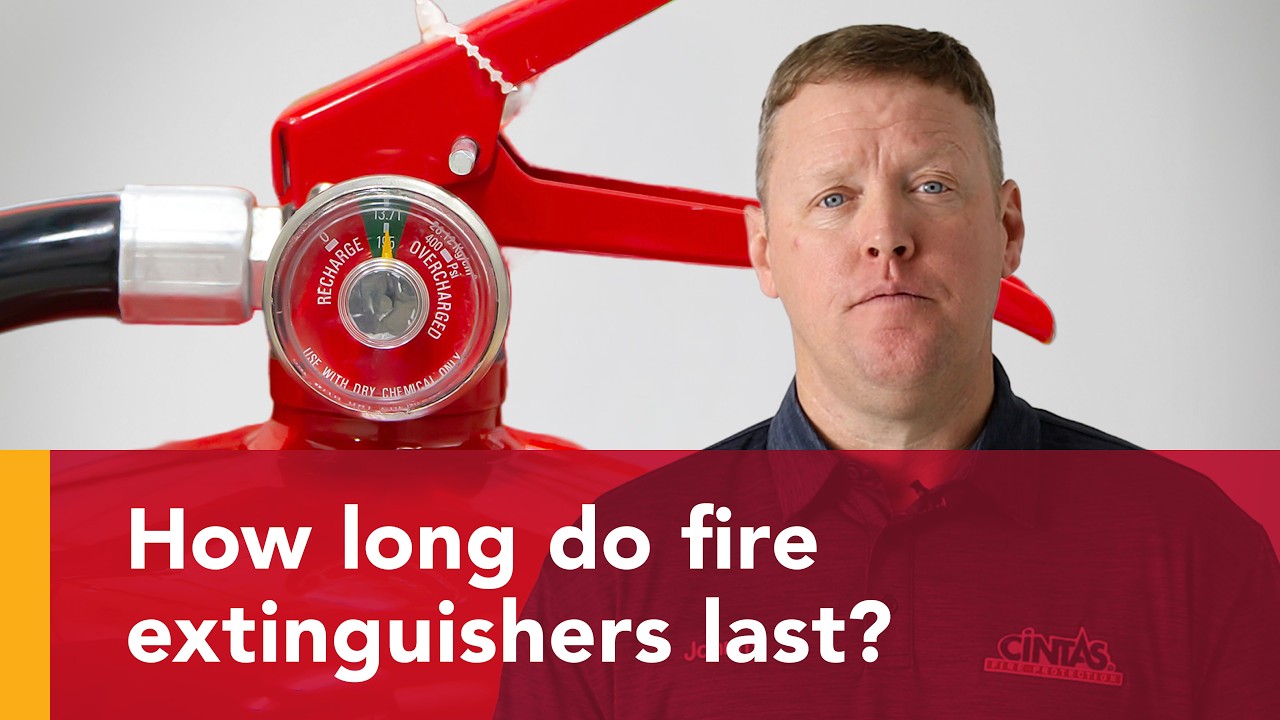
How Long Do Fire Extinguishers Last?
Many commercial facilities use ABC fire extinguishers. These extinguishers can remain in service for many years when properly maintained, inspected and tested.
Many stored-pressure ABC extinguishers are also subject to six-year maintenance requirements and periodic hydrostatic testing. Rather than focusing solely on age, safety-inspection professionals typically evaluate whether an extinguisher continues to meet applicable inspection, maintenance and testing requirements.
Staying Ahead of Fire Inspection Requirements
A consistent inspection program can make fire extinguisher compliance easier to oversee.
Using a managed fire protection program allows a business to:
- Maintain an up-to-date extinguisher inventory
- Document monthly inspections
- Retain annual maintenance records
- Track six-year maintenance and testing milestones
- Review extinguisher locations after facility changes
These steps can help businesses stay prepared for audits, inspections and emergencies.
Building Your Fire Protection Program
Fire extinguisher inspections are only one part of an effective fire protection program. Understanding inspection frequency, maintenance requirements and testing schedules can help support workplace safety and long-term compliance.
You can alleviate your inspection worries and compliance concerns with service assistance from the Cintas Fire Protection Division. Click here for fire extinguisher inspection information, related fire inspection services, and details on our Extinguisher Even Exchange program, which ensures immediate on-site replacement of your expired or non-functioning extinguishers
Frequently Asked Questions
How often are fire extinguishers required to be inspected?
Most workplace fire extinguishers require a monthly visual inspection and an annual maintenance inspection. Additional maintenance requirements may apply depending on the extinguisher type.
How often does OSHA require fire extinguisher inspections?
Organizations typically conduct monthly inspections and annual maintenance inspections to help satisfy OSHA fire extinguisher requirements.
Do fire extinguishers need to be inspected every six months?
Generally, no. Most programs are built around monthly inspections and annual maintenance, although some extinguishers require additional service at longer intervals.
What happens during an annual fire extinguisher inspection?
Annual maintenance includes a detailed examination of the extinguisher's condition, components, labeling and service history to verify that it remains operational.
Is a 10-year-old fire extinguisher still good?
Age alone does not determine whether a fire extinguisher remains serviceable. The extinguisher must continue to pass required inspections, maintenance procedures and testing requirements.
What happens if a fire extinguisher fails inspection?
The extinguisher may need repair, recharging, testing or replacement before it can be returned to service.
How long should inspection records be kept?
Organizations should maintain inspection and maintenance documentation according to applicable OSHA, NFPA and local requirements.